
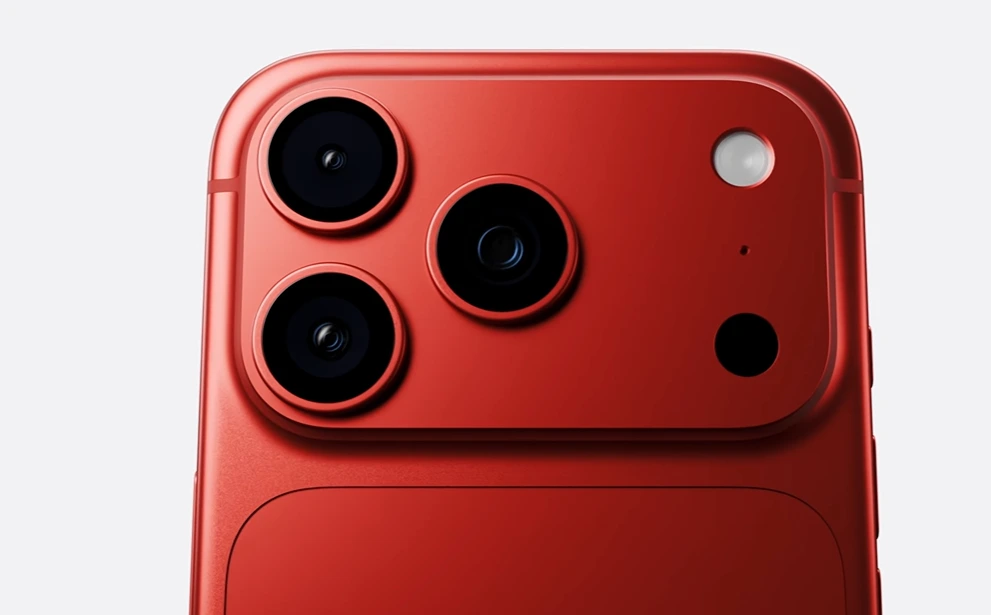
Apple is breaking with tradition in 2026. The iPhone 18 Pro, Pro Max and first-ever foldable iPhone arrive in September. The standard iPhone 18 waits until 2027. Here is every confirmed rumour and leak in one place.
Apple is doing something it has never done before. Rather than launching its entire iPhone lineup in a single September event, the company is splitting the 2026 iPhone family across two seasons. The premium tier, the iPhone 18 Pro, the iPhone 18 Pro Max, and the company’s first-ever foldable iPhone, is heading for a September 2026 launch. The standard iPhone 18, iPhone 18e, and a second-generation iPhone Air are not expected until spring 2027.
For European buyers who were planning an upgrade this autumn, that means the choice is simple but expensive: go Pro in September, or wait until next year for the more affordable models.
Here is everything the credible leak and analyst pipeline points to as of early August 2026.
Release Date: September Is Confirmed
Apple is expected to unveil the iPhone 18 Pro, iPhone 18 Pro Max, and a foldable iPhone Ultra in the first half of September, and the devices should be released in the second half of the month.
Following Apple’s usual pattern, expect an announcement in the second week of September 2026, pre-orders that same Friday, and phones on shelves about a week later.
The regular iPhone 18, a lower-end iPhone 18e, and a second-generation iPhone Air will reportedly be announced around March 2027.
For European buyers, that spring 2027 date for the standard model is the most consequential piece of scheduling news in the iPhone 18 story. Anyone who wants a new Apple flagship this autumn will be paying Pro prices. There is no mid-range option until next year.
The A20 Pro Chip: Apple’s First 2nm Processor
The most significant hardware advance in the iPhone 18 Pro is under the hood. The iPhone 18 Pro and Pro Max are expected to feature Apple’s new A20 Pro chip, built on an advanced 2nm process for faster speeds and improved power efficiency. When paired with Apple’s in-house 5G modem, the setup could deliver stronger overall performance and longer battery life.
The move from the 3nm process used in the A18 Pro to 2nm is a meaningful generational step. Moving from 3nm to 2nm could raise the cost of each chip by around $35, a 70% increase from $50 to $85, which is part of why analysts are widely expecting a price increase on the Pro models this cycle.
There are performance and efficiency improvements expected, and when combined with Apple’s in-house 5G modem, the new chip should deliver the strongest performance Apple has shipped in an iPhone to date.
Display: Same Size, New Technology
Apple is not changing the screen sizes of the Pro models. Apple is expected to stick with 6.3-inch and 6.9-inch displays for the iPhone 18 Pro and iPhone 18 Pro Max respectively.
The Dynamic Island, the pill-shaped cutout at the top of the screen, is expected to get smaller. Leaks suggest Apple may switch to a punch-hole design for the front camera, moving Face ID and other sensors under the display. This change would increase the screen-to-body ratio while avoiding the potential image quality issues of under-display cameras.
Display technology is also being upgraded. The iPhone 18 Pro and Pro Max are expected to feature new LTPO+ display technology, which should allow higher refresh rates while using battery power more efficiently.
Camera: All Three Lenses Go 48MP
The camera system is one of the most significant upgrades of the entire iPhone 18 Pro cycle. The rear camera system consists of a 48MP main sensor, a 48MP ultrawide, and a 48MP periscope telephoto with 4x optical zoom. The front camera moves to 18MP.
Having all three rear lenses shoot at 48MP rather than reserving the higher resolution for the main and ultrawide cameras represents a meaningful and long-requested improvement for anyone who shoots at distance with the telephoto lens.
Battery: Bigger on the Pro Max
The iPhone 18 Pro Max will have nearly a 10% larger battery compared to the iPhone 17 Pro Max. The Pro Max battery is expected to be approximately 5,088 mAh to 5,100 mAh.
Charging speeds are likely to stay around 40W, which continues to lag behind Android competitors but represents a marginal improvement over previous iPhone generations.
Design: Slightly Thicker, Possibly Transparent Detail
The iPhone 18 Pro models are expected to feature the same general design as the iPhone 17 Pro models, offering a triple-lens rear camera system with a large camera plateau.
The iPhone 18 Pro could be noticeably thicker and heavier than the iPhone 17 Pro, according to some rumours. Leaks suggest a small cosmetic tweak: a slightly transparent glass section on the rear, likely over the vapour chamber, purely for visual effect.
Storage rises to a new ceiling. Storage is expected to reach up to 2TB on the Pro Max, a first for any iPhone and a configuration aimed squarely at professional video and photography users who have been pushing against the 1TB ceiling on current models.
The Headline Feature: 5G via Satellite
Rumoured features include a smaller Dynamic Island, 5G via satellite, and more.
Satellite connectivity on iPhone began with emergency SOS messaging on the iPhone 14 and has expanded gradually since. 5G connectivity via satellite would be a genuinely transformative upgrade for users in rural or remote areas across Europe where ground-level 5G coverage remains patchy, enabling full mobile data speeds in locations currently limited to 4G or below.
Software: iOS 27 and a More Capable Siri
iOS 27 will likely launch alongside the iPhone 18 series, with a sharper focus on Apple Intelligence. Delayed AI features, including a more advanced Siri, are expected to finally roll out, supported by higher-bandwidth RAM sourced from Samsung.
Apple’s AI push has been slower to materialise than the company’s original roadmap suggested, and iOS 27 appears set to be the release where those promises are finally delivered. European users, who have faced additional regulatory delays in AI feature rollouts under the EU AI Act, may receive some features on a different timeline from American users, a pattern established during the iOS 26 cycle.
Price: Expect Higher
Rumours suggest the iPhone 18 Pro could start around $1,299 and the Pro Max around $1,399.
The bill of materials for the iPhone 18 Pro Max is expected to rise by nearly $300 compared to the iPhone 17 Pro Max, according to a Counterpoint Research analysis, driven primarily by the more expensive 2nm chip, the larger battery, and the upgraded camera system. Whether Apple absorbs any of that cost increase or passes it directly to consumers is one of the most closely watched questions ahead of the September event.
For European buyers, dollar-to-euro conversion and local VAT rates mean European pricing typically runs somewhat above the US base price. At current exchange rates, the iPhone 18 Pro could land at or above €1,299 in major European markets, with the Pro Max potentially starting at €1,449 or higher.
The Foldable iPhone: Apple’s Most Expensive Phone Ever
The foldable iPhone, if it launches, is expected to sit above the iPhone 18 Pro Max as Apple’s most expensive phone. Apple’s first foldable features a book-style design that opens to approximately a 7.8-inch display, two 48MP cameras, and Touch ID instead of Face ID.
The iPhone Fold could be upwards of $2,000, placing it firmly in Samsung Galaxy Z Fold territory and above, representing a new ceiling for Apple’s consumer pricing. It is expected to launch alongside the Pro models in September under the working name iPhone Ultra or iPhone Fold and will likely dominate the attention at the September event even if its sales volumes are modest relative to the broader Pro range.
What This Means for European Buyers
The split launch schedule creates a clear decision framework for European consumers this autumn.
If you want Apple’s best camera system, the A20 Pro chip, the largest battery Apple has ever shipped in an iPhone, and satellite 5G, and you want it in 2026, you are buying the Pro or the Pro Max and paying premium prices for the privilege.
If you are waiting for a more affordable option, spring 2027 brings the standard iPhone 18, the iPhone 18e, and the second-generation iPhone Air, almost certainly at more accessible price points. The trade-off is a six-month wait and, based on current leaks, a less powerful chip and a less comprehensive camera system.
For most European buyers upgrading from an iPhone 14 or older, even the standard iPhone 18 arriving in spring 2027 will represent a substantial performance and camera leap. Patience, in this case, has a tangible financial reward.
This article is based on credible leaks, analyst reports, and supply chain information available as of August 10, 2026. Nothing below has been confirmed by Apple, and specifications may change before the official announcement.
Related Articles:









[…] iPhone 18 Pro, Pro Max: Release Date, Price, Features and the Foldable iPhone Explained […]
[…] the iPhone 18 Pro and Pro Max, Apple slightly raised prices, with an increase of $100 for each model in the United […]