
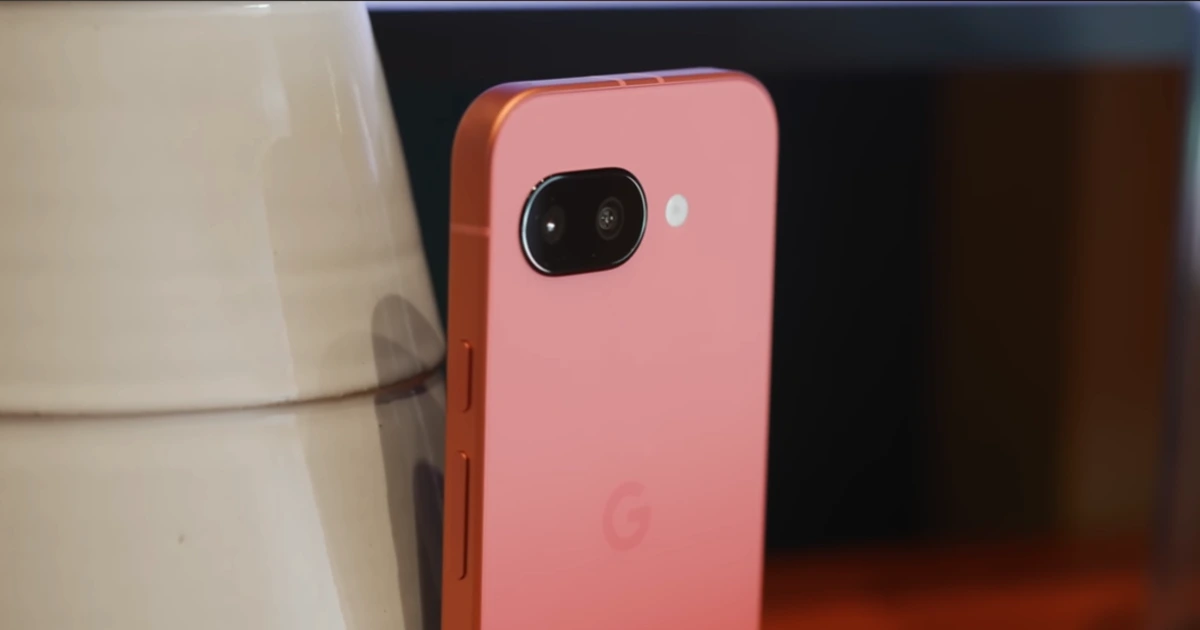
From the Google Pixel 9a to the Samsung Galaxy A56, Nothing Phone 4a Pro and OnePlus Nord 6, here is the definitive guide to the best smartphones under €500 available in Europe in 2026.
A few years ago, spending under €500 on a smartphone meant accepting genuine compromises on display quality, performance, camera capability, or software longevity. That calculus has changed dramatically. In 2026, the sub-€500 segment is where some of the most interesting engineering in the smartphone industry is happening, with manufacturers competing ferociously to deliver the best possible combination of features at a price point that most people can actually afford.
The mid-range smartphone market under €500 has become increasingly competitive in 2026. This segment now offers flagship-grade features such as AI integration, high-refresh-rate AMOLED displays, and extended software support. Brands like Google and Samsung are leveraging their ecosystem strengths, while Xiaomi, Nothing, and OnePlus focus on high-performance specifications and rapid charging to attract value-conscious buyers.
This guide covers the best smartphones available to European buyers in 2026 at or under €500, tested and ranked by what actually matters to real users.
What to Look for in a Mid-Range Phone in 2026
Before diving into the individual picks, it helps to understand what separates a great mid-range phone from a forgettable one this year.
Software support has become the defining differentiator at this price point. A phone that receives five or six years of Android updates is genuinely better value than one offering two or three, even if the latter has marginally better hardware on day one. The phone you buy today should still be receiving security patches and new features in 2030.
5G and NFC are now non-negotiable for European buyers. Every phone on this list supports both, and you should not consider any phone that does not include NFC for mobile payments.
IP water resistance has trickled down into the mid-range in a meaningful way. Most phones on this list carry IP67 or IP68 ratings. Paying €400 for a phone that dies from a splash of rain is no longer acceptable when alternatives at the same price survive underwater submersion.
Display quality at 120Hz or above is now standard. Anything below 120Hz at this price point is a step backwards.
Camera consistency matters more than megapixel counts. A 50MP sensor that produces inconsistent results is less useful than a 12MP sensor with excellent processing software. Pay attention to how a camera performs in real-world conditions, not specification sheets.
1. Google Pixel 9a: Best Overall and Best for Long-Term Value
European price: From €499. Available in Obsidian, Porcelain, Iris, Peony
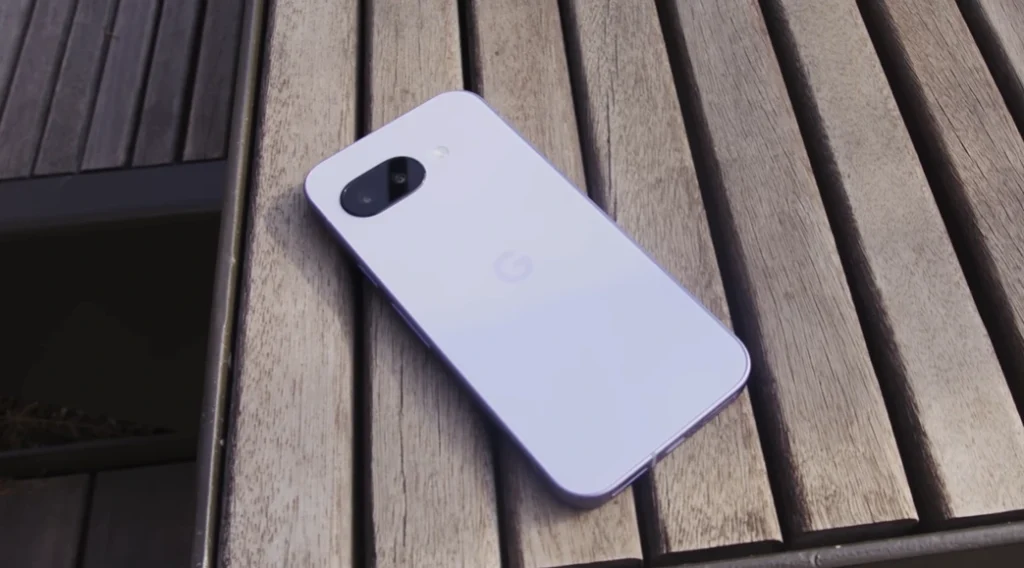
The Google Pixel 9a is the most complete package at this price point in 2026 and the easiest phone to recommend to most European buyers without qualification. It combines seven years of guaranteed software support, the best AI camera processing in the segment, a premium IP68 water resistance rating, and a compact form factor that is increasingly rare in a market full of 6.7-inch and 6.8-inch slabs.
The display is a 6.3-inch P-OLED panel running at 120Hz with a resolution of 2424 by 1080 pixels and a pixel density of 421 pixels per inch. At 2,700 nits peak brightness, it is the brightest display in this price category and remains perfectly readable in direct sunlight, which is a practical concern that many display specification sheets fail to capture.
Performance comes from Google’s in-house Tensor G3 chip. Raw performance benchmarks put the Tensor G3 behind Qualcomm’s Snapdragon options at the same price, but that comparison misses the point of the chip. The Tensor G3 is designed for AI tasks, and the AI camera features it enables, including Magic Eraser, Best Take, Photo Unblur, and Live Translate, work better than on any other phone under €500. For everyday use including streaming, social media, photography, and navigation, the Pixel 9a handles everything without hesitation.
The 50MP main camera with its larger sensor and Google’s computational photography processing delivers excellent results, particularly in low-light conditions. The camera sits flush with the body, which means no protruding lens scratching surfaces when placed face-up. The 13MP ultrawide covers most shooting scenarios alongside the main lens, though the absence of a telephoto lens is a limitation.
Battery life from the 5,100mAh cell is strong, with most users comfortably reaching the end of a full day on a single charge. The 23W wired charging is the slowest on this list, but wireless charging at 7.5W is included, which most rivals at this price do not offer. IP68 water resistance and the seven-year software commitment round out a package that is difficult to argue against as a long-term investment.
Best for: Buyers who want the best camera processing, a compact body, wireless charging, and the longest software support available at this price.
Processor: Google Tensor G3 | RAM: 8GB | Storage: 128GB or 256GB | Display: 6.3-inch P-OLED 120Hz | Battery: 5,100mAh, 23W wired, 7.5W wireless | Camera: 50MP main, 13MP ultrawide | Water resistance: IP68 | Software: 7 years OS updates
2. Samsung Galaxy A56 5G: Best for Ecosystem and Build Quality
European price: From €399 Available in: Awesome Iceblue, Awesome Navy, Awesome White, Awesome Black
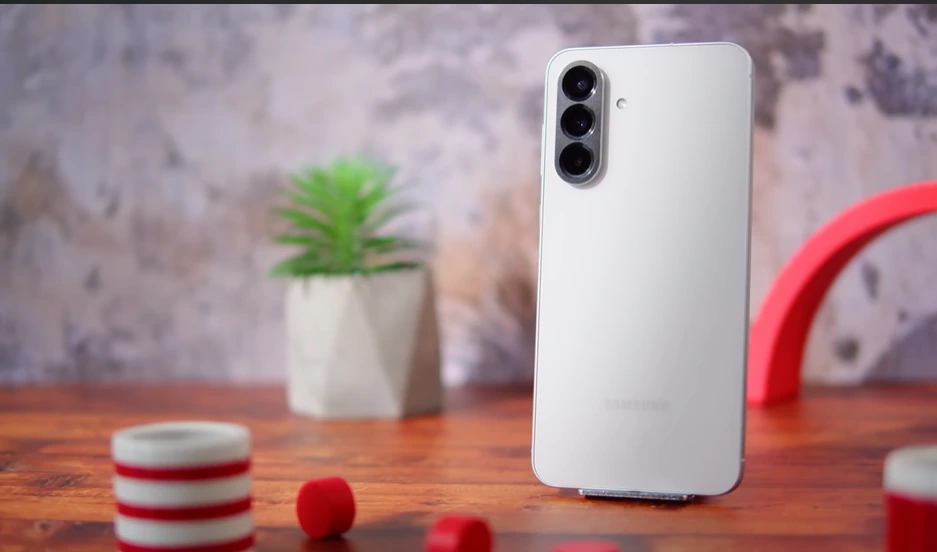
Samsung’s Galaxy A56 brings the key DNA of the Galaxy S series, display quality, build materials, and software depth, into a sub-€400 body. It is a premium phone that feels substantially more expensive than it is, and for buyers already inside Samsung’s ecosystem, it is the natural choice at this price point.
The 6.7-inch display is larger than the Pixel 9a and features an AMOLED panel running at 120Hz with a resolution of 2340 by 1080 pixels and a peak brightness of 1,900 nits in HDR mode. Gorilla Glass Victus+ protects both the front and rear, while an aluminium frame gives the device a genuinely premium feel in hand. The build quality of the Galaxy A56 is difficult to match at this price.
Performance comes from Samsung’s Exynos 1580 processor, which is a meaningful step up from the chip used in the A55. The software experience is everything you have come to expect from One UI, feature-rich and reliable, and Samsung promises six years of software support for the Galaxy A56. That is one year less than the Pixel 9a but still one of the best commitments in the Android ecosystem and significantly better than most rivals at this price.
The camera system is genuinely versatile. A 50MP main sensor is joined by a 12MP ultrawide and a 5MP macro lens, giving the Galaxy A56 three functional rear cameras rather than the two found on the Pixel 9a. The main camera produces reliable, detailed shots with Samsung’s characteristically punchy colour processing. Samsung Galaxy AI features, including Circle to Search and Object Eraser, are present on the A56 alongside the Now Bar, which has become a useful tool for navigation and media controls.
The 5,000mAh battery supports 45W wired charging, significantly faster than the Pixel 9a. There is no wireless charging. IP67 water resistance is included, one step below the IP68 of the Pixel 9a but still protection against submersion up to one metre for 30 minutes.
Best for: Buyers who want the best build quality, Samsung ecosystem integration, a versatile triple camera system, and a larger display.
Processor: Samsung Exynos 1580 | RAM: 8GB or 12GB | Storage: 128GB or 256GB | Display: 6.7-inch AMOLED 120Hz | Battery: 5,000mAh, 45W wired | Camera: 50MP main, 12MP ultrawide, 5MP macro | Water resistance: IP67 | Software: 6 years OS updates
3. Nothing Phone 4a Pro — Best Design and Best Display
European price: From €479. Available in silver, pink, and black.
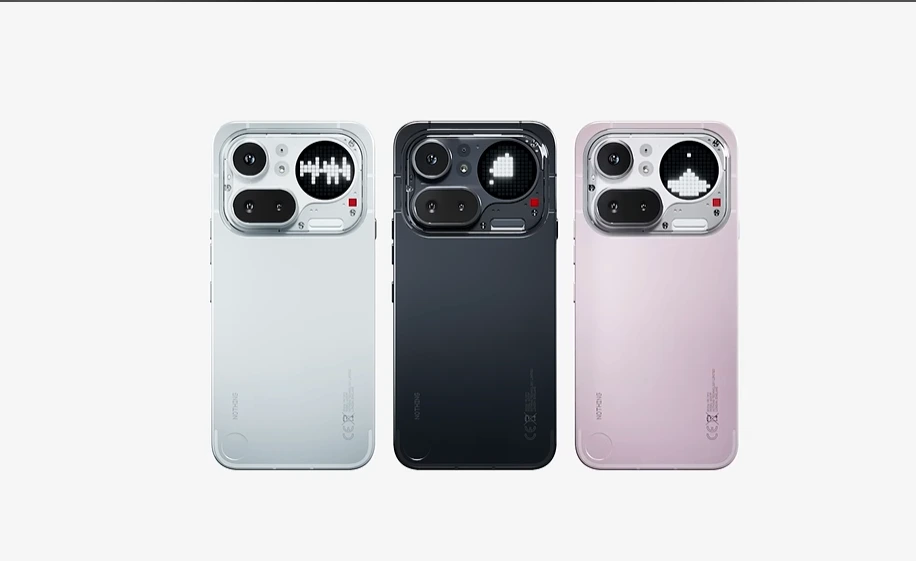
Nothing has done something genuinely difficult in the smartphone market: it has created a phone that people want to look at. The Nothing Phone 4a Pro features an aluminium unibody construction, the signature Glyph Interface on the rear, and a 6.8-inch AMOLED display running at 144Hz with a peak brightness of 5,000 nits, the highest peak brightness figure of any phone on this list by a considerable margin.
The display specifications of the Nothing Phone 4a Pro are remarkable for the price. A 2800 by 1260 resolution, Corning Gorilla Glass 7i protection, and 144Hz refresh rate put it ahead of most of its rivals on paper. The 5,000-nit peak brightness is a genuinely exceptional figure that ensures complete outdoor readability even in intense direct sunlight. The screen-to-body ratio of nearly 90 percent gives the phone a distinctly premium visual profile.
The Nothing Phone 4a Pro stands out as a distinctive mid-range smartphone with a strong focus on design, solid everyday performance, and some surprising premium features. Particularly noteworthy are the high-quality aluminium unibody, the characteristic Glyph back, and modern extras such as Wi-Fi 6E and eSIM support.
The triple camera system consists of a 50MP main sensor, a 50MP ultrawide, and an 8MP telephoto with 3x optical zoom. The telephoto lens is a significant point of differentiation at this price. Neither the Pixel 9a nor the Galaxy A56 offers optical zoom, and for anyone who regularly photographs subjects at a distance, the Nothing Phone 4a Pro is the only phone on this list that delivers it.
Performance comes from the Snapdragon 7s Gen 3 processor, which handles everyday tasks comfortably. The 5,080mAh battery with 50W wired charging keeps pace with daily demands, though the IP65 water resistance rating is lower than the IP67 or IP68 protection offered by rivals.
Best for: Buyers who prioritise design, the best display brightness in the segment, a telephoto lens, and a genuinely distinctive aesthetic.
Processor: Qualcomm Snapdragon 7s Gen 3 | RAM: 8GB or 12GB | Storage: 128GB or 256GB | Display: 6.8-inch AMOLED 144Hz, 5,000 nits | Battery: 5,080mAh, 50W wired | Camera: 50MP main, 50MP ultrawide, 8MP 3x telephoto | Water resistance: IP65 | Software: 3 years OS updates
4. OnePlus Nord 6 — Best Battery Life
European price: From approximately €430 Available in the following colours: Fresh Mint, Midnight Black
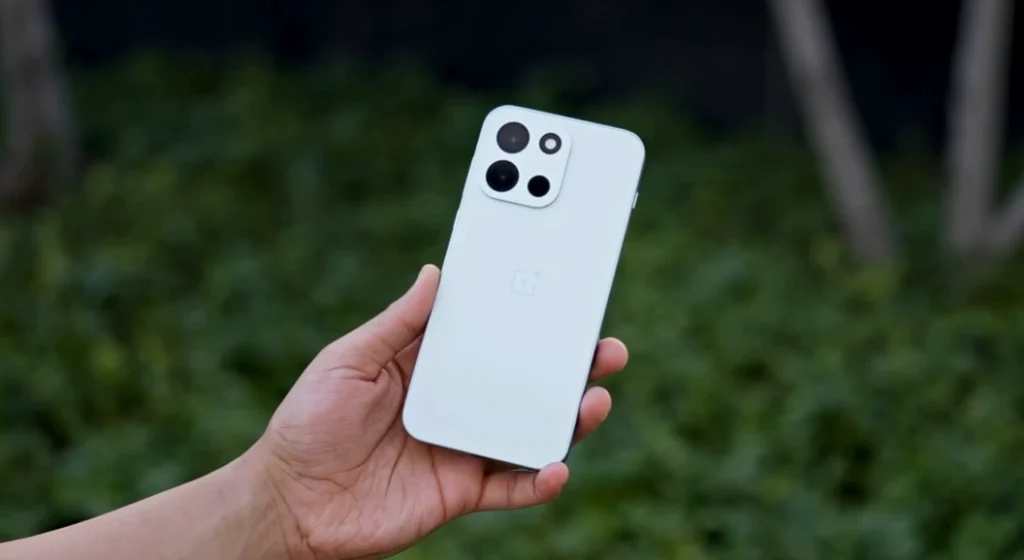
We covered the OnePlus Nord 6 in a dedicated full review earlier this week on Europeans24, and its headline achievement deserves to be stated plainly: the Nord 6 has the best battery life of any smartphone at this price point in 2026, and it is not particularly close.
The 9,000mAh silicon-carbon battery delivers genuine two-day endurance for typical users, and even heavy users will consistently reach the end of a full day with charge remaining. No other phone on this list comes within striking distance of that figure. The Snapdragon 8s Gen 4 chipset is a meaningful step above the processors in most rivals at this price, and the IP69K durability rating, the highest water resistance certification available on any consumer smartphone, makes this the most rugged option in the segment.
The 165Hz AMOLED display with 3,600 nits peak brightness and the six-year software commitment add further value. The main camera with its Sony Lytia LYT-600 sensor produces consistently strong results. The absence of a telephoto lens and the 8MP ultrawide that underperforms its rivals are genuine weaknesses, but for buyers whose primary concern is never running out of battery, nothing at this price competes with the Nord 6.
Best for: Heavy users who need maximum battery endurance, buyers who want the most durable phone at this price, and gamers who need sustained performance.
Processor: Snapdragon 8s Gen 4 | RAM: 8GB or 12GB | Storage: 256GB or 512GB | Display: 6.78-inch AMOLED 165Hz | Battery: 9,000mAh, 45W wired | Camera: 50MP main, 8MP ultrawide | Water resistance: IP69K | Software: 6 years OS updates
5. Xiaomi 15T — Best Performance Per Euro
European price: From approximately €449 Available in: Titan Grey, Titan Black, Titan Blue
The Xiaomi 15T makes a compelling case as the most capable raw performer in this price bracket. Powered by the MediaTek Dimensity 8400 Ultra processor and paired with 12GB of LPDDR5X RAM as standard, it delivers benchmark numbers that sit comfortably above what most rivals in this category can achieve.
The 6.83-inch display runs at 2772 by 1280 resolution with a 144Hz refresh rate and Dolby Vision certification. The 67W fast charging fills the 5,500mAh battery in under an hour. The triple-camera system, co-developed with Leica, includes a 50MP main sensor, a 13MP ultrawide, and a 50MP telephoto with 2.6x optical zoom, giving Xiaomi’s camera system a versatility advantage over Samsung’s and Google’s offerings at this price.
The build quality uses Corning Gorilla Glass 7i on the rear with a Gorilla Glass 5 front, and IP68 water resistance is included. The phone ships with HyperOS 2 based on Android 15, with Xiaomi committing to four years of Android OS updates and five years of security patches.
Xiaomi’s software experience has improved considerably in recent generations. HyperOS 2 is cleaner and more stable than earlier Xiaomi interfaces, though buyers who prefer a close-to-stock Android experience may still find it more cluttered than OxygenOS or Google’s Pixel software.
Best for: Buyers who want maximum performance and a Leica-branded camera system with optical zoom at the lowest possible price.
Processor: MediaTek Dimensity 8400 Ultra | RAM: 12GB | Storage: 256GB or 512GB | Display: 6.83-inch AMOLED 144Hz | Battery: 5,500mAh, 67W wired | Camera: 50MP main, 13MP ultrawide, 50MP 2.6x telephoto | Water resistance: IP68 | Software: 4 years OS updates, 5 years security
6. Motorola Edge 60 Fusion — Best Budget Option Under €350
European price: From €329 Available in: Pantone-certified colour options
Not everyone wants to spend €450 or €499. For buyers looking for the best possible phone closer to the €300 to €350 mark, the Motorola Edge 60 Fusion offers exceptional value and a durability specification that embarrasses phones costing twice as much.
The Edge 60 Fusion carries an IP68 water resistance rating and MIL-STD-810H military certification, the same combination found on the OnePlus Nord 6. At €329, that level of durability is remarkable. The 6.7-inch 120Hz AMOLED display is bright and smooth, the 5,200mAh battery with 68W charging delivers solid daily endurance, and the clean near-stock Android experience with regular Motorola updates makes this an easy phone to live with day to day.
The Dimensity 7400 processor handles everyday tasks well but will show its limits under sustained heavy gaming or intensive multitasking. The dual camera system, a 50MP main and an 8MP ultrawide, produces capable results in good light. The vegan leather rear panel is a distinctive design touch that Motorola has carried through several generations.
Best for: Budget-conscious buyers who refuse to compromise on durability and want a reliable, clean software experience under €350.
Processor: MediaTek Dimensity 7400 | RAM: 8GB | Storage: 256GB | Display: 6.7-inch AMOLED 120Hz | Battery: 5,200mAh, 68W wired | Camera: 50MP main, 8MP ultrawide | Water resistance: IP68, MIL-STD-810H | Software: 3 years OS updates
Quick Comparison Table
| Phone | Price | Chipset | Display | Battery | Software Support | Best For |
|---|---|---|---|---|---|---|
| Google Pixel 9a | €499 | Tensor G3 | 6.3″ 120Hz | 5,100mAh | 7 years | Best overall, AI camera |
| Samsung Galaxy A56 | €399 | Exynos 1580 | 6.7″ 120Hz | 5,000mAh | 6 years | Build quality, ecosystem |
| Nothing Phone 4a Pro | €479 | Snapdragon 7s Gen 3 | 6.8″ 144Hz | 5,080mAh | 3 years | Design, display, zoom |
| OnePlus Nord 6 | €430 | Snapdragon 8s Gen 4 | 6.78″ 165Hz | 9,000mAh | 6 years | Battery life, durability |
| Xiaomi 15T | €449 | Dimensity 8400 Ultra | 6.83″ 144Hz | 5,500mAh | 4 years | Raw performance, Leica camera |
| Motorola Edge 60 Fusion | €329 | Dimensity 7400 | 6.7″ 120Hz | 5,200mAh | 3 years | Budget, durability |
Which Should You Choose?
The right phone depends entirely on what you prioritise.
If you want the best long-term investment, the Google Pixel 9a is the answer. Seven years of software support means it will outlast every other phone on this list in terms of security patches and new features. If the compact size and slightly slower charging are not dealbreakers, it is the smartest purchase you can make in this budget.
If you spend most of your day away from a charger and battery anxiety is a real concern for you, the OnePlus Nord 6 is in a class of its own. No other phone at this price even comes close to its endurance.
If design matters to you and you want a phone that genuinely stands out, the Nothing Phone 4a Pro delivers a display and aesthetic that neither Samsung nor Google can match at the price. The added telephoto lens is a meaningful practical bonus.
If you are already a Samsung user with a Galaxy Watch, Galaxy Buds, or a Samsung tablet, the Galaxy A56 will integrate more smoothly with your existing setup than any of its rivals, and its build quality is the best on this list.
If raw performance is your primary concern, the Xiaomi 15T delivers more benchmark horsepower per euro than anything else here, paired with a Leica-branded camera system that punches well above its price.
And if your budget is firmly below €350, the Motorola Edge 60 Fusion is the phone to buy, offering a level of durability that would embarrass many phones at twice the price.
Related Articles:








[…] Best Smartphones Under €500 in 2026: The Complete Guide for Europeans […]
[…] Best Smartphones Under €500 in 2026: The Complete Guide for Europeans […]
[…] READ MORE: Best Smartphones Under €500 in 2026: The Complete Guide for Europeans […]
[…] Best Smartphones Under €500 in 2026: The Complete Guide for Europeans […]