Volkswagen has approved Future Plan 2030, adding 50,000 job cuts, slashing its model lineup in half, and phasing out production at four German plants.
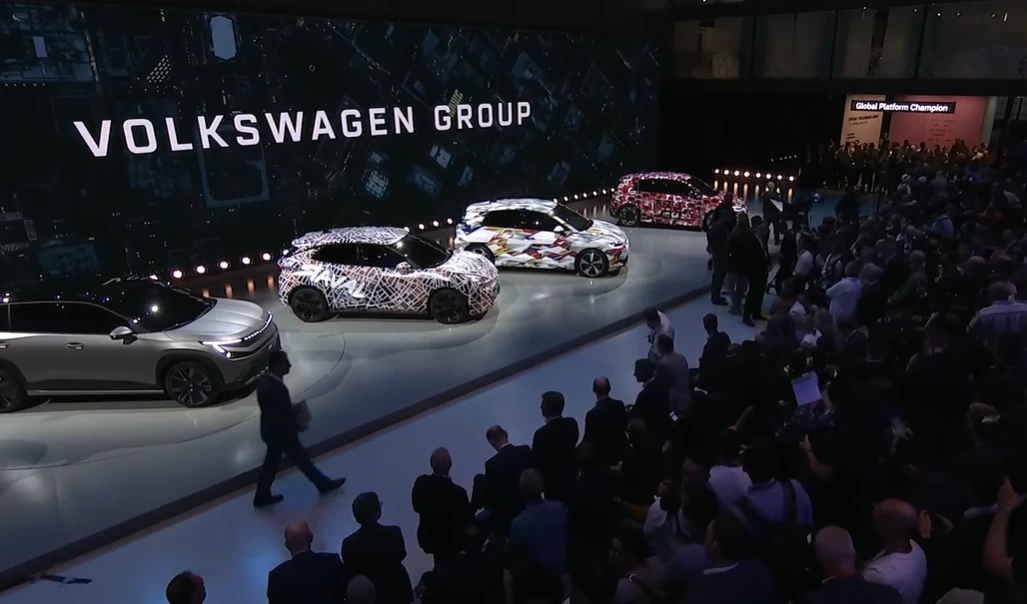
In what marks the most radical restructuring in its 89-year history, Volkswagen Group’s board of directors has formally approved a sweeping corporate overhaul dubbed “Future Plan 2030″.
Facing fierce low-cost competition from Chinese EV manufacturers, dampening European demand, and punishing headwinds from international trade tariffs, the German automotive giant will slash an additional 50,000 jobs, bringing total planned workforce reductions to 100,000 positions.
The drastic package also includes sweeping measures to cut the company’s global model lineup in half and phase out traditional auto production across four major German assembly plants between 2031 and 2034.
A Doubling of Headcount Reductions
The newly approved board strategy builds upon roughly 50,000 job reductions previously negotiated or implemented across core divisions, effectively cutting the company’s total workforce footprint by 15% globally. The cuts will target layers of management, administrative overhead, and structural redundancies across the core Volkswagen passenger brand, Porsche, and software subsidiary Cariad.
Despite fierce resistance from employee representatives and powerful labour unions throughout the summer, executive leadership argued that uncompromising cost discipline is vital to survive an increasingly hostile global market.
Chief employee representative Daniela Cavallo noted that while the restructuring is a painful necessity for the company’s future, employee advocacy groups will continue fighting to secure alternative industrial concepts and protect worker livelihoods.
Four German Plants Face an Uncertain Future
Under the framework of Future Plan 2030, vehicle production allocations at four prominent German manufacturing sites Emden, Zwickau, Hanover, and Audi’s Neckarsulm are scheduled to run out between 2031 and 2034.
Management confirmed that no next-generation successor vehicles have been designated for these specific sites. While formal closures have not been definitively stamped, manufacturing operations will be systematically phased out unless economically viable alternative uses or green tech repurposing plans can be established.
The inclusion of Zwickau, historically Volkswagen’s flagship electric vehicle assembly plant, and Emden, which builds core ID-series models, underscores how deeply the crisis is impacting the group’s domestic EV infrastructure.
Slimming the Lineup and Targeting a 9% Margin
To radically reduce complexity and development costs, Volkswagen intends to eliminate approximately 50 percent of its global passenger car and commercial model portfolio by 2035. In tandem, configuration variants, trim permutations, and option packages will be trimmed by up to 75%.
The sweeping contraction is designed to hit an ambitious financial target: achieving a 9% operating profit margin and stabilizing annual global sales around 9 million vehicles by the end of the decade, defending Europe’s largest carmaker against intensifying global disruption.