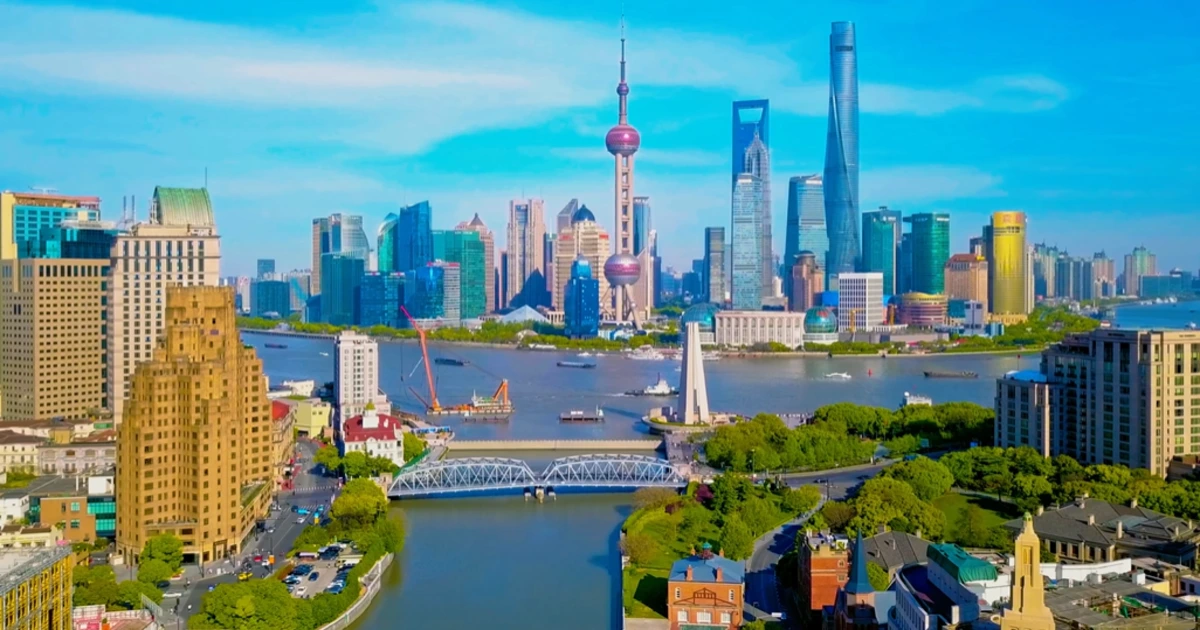
Australian doctor Amanda Harvey flew to Shanghai with blood cancer and paid AUD 110,000 for CAR-T therapy. The same treatment would have cost over AUD 1 million in the USA. Here is the full story of how China became the world’s most unexpected cancer treatment destination.
Amanda Harvey is a doctor with a degree in cellular pathology and a seven-year battle with multiple myeloma, a blood cancer of the plasma cells. By late 2024, she had run out of treatment options available to her in Australia. She researched going to the United States and the United Kingdom for a treatment called CAR-T cell therapy, the most advanced immunotherapy available for her disease. She calculated the costs. They came back at approximately one million Australian dollars, assuming no complications, no intensive care admission, and no prolonged hospital stay.
“If I had no complications,” she told the BBC’s Asia Specific podcast, “it was probably going to bankrupt us.”
She then found her way to Shanghai. She paid AUD 110,000 for the treatment. Two weeks after her reinfused cells were returned to her body, a bone marrow aspiration came back completely negative for myeloma cells. After seven months back in Brisbane, she was in complete remission.
Her story is one of a growing number of Australians, New Zealanders, Europeans, and Americans who are travelling to China for cancer treatments that are either unavailable in their home countries, inaccessible due to cost, or simply faster to obtain. It is an unlikely development, given that China is rarely the first country that comes to mind for medical tourism, but the data behind this trend is now substantial and impossible to ignore.
What Is CAR-T Cell Therapy?
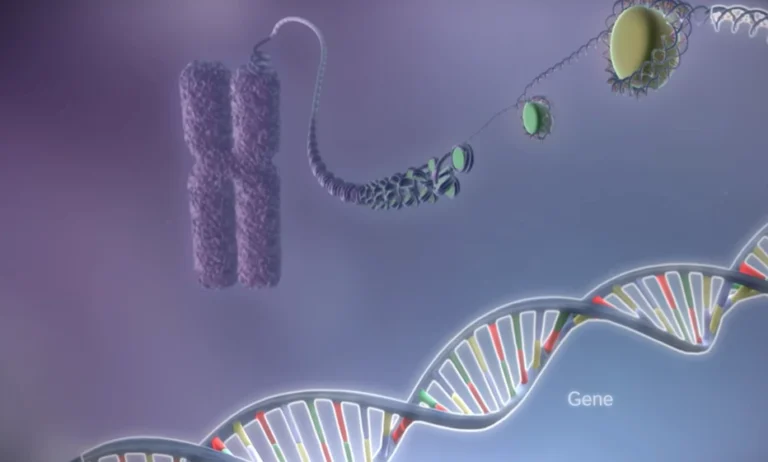
CAR-T, which stands for chimeric antigen receptor T-cell therapy, is one of the most significant advances in cancer medicine of the past decade. The basic principle involves taking a patient’s own T-cells, which are the white blood cells central to immune function, and genetically re-engineering them in a laboratory to carry receptors specifically designed to recognise and attack cancer cells. The modified cells are then multiplied to sufficient numbers and reinfused into the patient, where they hunt down and destroy cancer cells carrying the target protein.
As Harvey described it, “They harvest your own cells, they manufacture them and then they infuse them back in and your immune system gets to work. And the manufactured T cells hunt out your myeloma cells, attach themselves to them and then kill them.”
The process is, by definition, personalised medicine. No two patients receive the same product. Each batch of modified T-cells is manufactured specifically for the individual patient from their own cells. This is both what makes the therapy so powerful and what makes it so expensive, at least in the Western healthcare systems where that expense is passed directly to patients and insurers at pharmaceutical market rates.
How China Became a World Leader in CAR-T
The United States approved the first CAR-T therapy product in 2017. China approved its first in 2021. That four-year gap might suggest a significant lag in development, but what happened next is remarkable. China now leads the world in CAR-T clinical trial volume, with over 500 active clinical trials as of 2025, exceeding the combined total of the United States and Europe. The number of NMPA-approved CAR-T products in China now matches or exceeds the number of FDA-approved products in the United States.
China’s unique regulatory environment, known as the Dual-Track system, allows top-tier hospitals to treat patients with cutting-edge experimental therapies through Investigator-Initiated Trials, often for free or at low cost, years before they are available in the West.
Karoline Kan, a health reporter for Bloomberg News covering Asia, explained the dynamics to the BBC: “China has a very relatively easy regulation process to make China really the place where a lot of clinical trials are happening in the world. And in fact, a lot of foreign companies now are moving their clinical trials to China.”
Several structural factors have enabled this acceleration. China’s government has invested heavily in cell and gene therapy as a strategic national industry, providing subsidies, tax incentives, and streamlined regulatory pathways to domestic manufacturers. Chinese biotech companies, including Fosun Kite, JW Therapeutics, IASO Bio, and CARsgen, have developed their own CAR-T products independently, rather than licensing from American firms, which removes the intellectual property costs embedded in Western drug prices.
The sheer scale of China’s patient population has also produced something that money alone cannot buy: experience. Chinese haematology centres at institutions including Peking University Cancer Hospital, Fudan Cancer Hospital in Shanghai, and the Institute of Hematology at the Chinese Academy of Medical Sciences have now performed thousands of CAR-T infusions, giving their clinical teams a depth of real-world expertise that most Western centres, which see far fewer cases, have not yet accumulated.
The Numbers: A Stark Cost Comparison
The cost difference between receiving CAR-T therapy in China and receiving it in the United States is not a matter of small margins. It is, depending on the specific product, cancer type, and individual patient situation, roughly a tenfold difference.
Base CAR-T treatment costs vary 16-fold globally, from $30,000 to $80,000 in China to $373,000 to $475,000 in the USA for FDA-approved products. When including total cost of care, the gap narrows but remains significant: $45,000 to $120,000 in China versus $400,000 to $550,000 in the USA.
Commercial CAR-T in China averages $120,000 to $250,000 USD total, including all hospital fees, infusion, and a standard monitoring period, compared to $1,000,000 or more in the United States, where the drug cost alone typically exceeds $370,000 before hospital charges.
Amanda Harvey’s experience sits in this range. She spent AUD 110,000 on hospitals and treatment in China, approximately USD 70,000 at 2025 exchange rates, compared to an estimated AUD 1,000,000 in the United States or the United Kingdom. For a private individual without comprehensive insurance coverage for experimental treatments, the Chinese option was not merely cheaper. It was the only realistic option.
The manufacturing speed advantage compounds the cost benefit in ways that go beyond money. Harvey’s T-cells were harvested and sent to Beijing for manufacturing. They were back, ready to reinfuse, within eight days. In the United States, the same manufacturing process typically takes between two and three months. That delay is not just an inconvenience. For patients with aggressive, rapidly progressing blood cancers, a two-to-three month wait can be the difference between being well enough to receive the treatment and being too sick to benefit from it. Some patients in the United States have their T-cells successfully manufactured only to be told, months later, that their cancer has progressed too far for the treatment to proceed.
China’s FasTCAR platform, developed by Gracell Biotechnologies, significantly compresses CAR-T manufacturing time. Conventional Western manufacturing typically requires four to six weeks; FasTCAR reduces this to as little as seven to fourteen days, a critical advantage for patients with rapidly progressing disease who cannot wait for a lengthy production cycle.
What the Treatment Experience Is Actually Like
Harvey’s account of her time in Shanghai is detailed and illuminating, not as a simple endorsement of Chinese healthcare but as an honest description of a system that operates very differently from the Australian or European models her medical training prepared her for.
“I arrived. The next day I was straight into hospital for three days of investigations, which include bone marrow aspiration, which I will add is not done under sedation in China. A lot of blood tests and CT PET”, she said. After being accepted for treatment, her T-cells were harvested through a leukapheresis procedure, a filtration process similar in principle to dialysis, taking four to five hours. She was discharged the next day. Eight days later, with her manufactured cells ready in Beijing, she was admitted to a major haematology hospital in South Shanghai for three days of chemotherapy conditioning before the reinfusion.
“Funnily enough, the reinfusion takes 45 minutes, and it’s really quite an anti-climax,” she said. “But I can tell you, 12 hours after that I started to get sick with a temperature, feeling unwell.” The symptoms she describes are classic cytokine release syndrome, the immune system’s powerful response to the engineered T-cells being reactivated. It is a well-understood side effect managed with supportive care, paracetamol, and close monitoring. “I felt really unwell for the first week, but by two weeks I was feeling really not too bad at all.”
She was candid about the cultural differences that the experience entailed. “I’d describe it as brutally efficient, fantastic. But there’s no fluffiness,” she said. “Your nurses, they’re very medical. They are brilliant at taking blood, giving treatment, but you have to bring your own relative with you if you want someone to help you shower, feed you, clear away your sick. Nurses don’t do that in China.”
She also noted the absence of the psychological support infrastructure common in Australian and European oncology settings. Counsellors, social workers, and patient liaison services were not part of the package. The medical treatment itself was delivered with what she described as extraordinary competence and efficiency. The surrounding support was different in kind.
The Clinical Evidence: Is It Safe and Effective?
Scepticism about the quality of Chinese medical care is a natural first response for Western patients. The evidence suggests it is increasingly misplaced, at least for CAR-T therapy at major Chinese centres.
Success rate benchmarks from major Chinese haematology conferences indicate complete remission rates of 80% to 90% for relapsed and refractory B-cell acute lymphoblastic leukaemia, overall response rates of 50% to 70% for non-Hodgkin lymphoma, and overall response rates of 85% to 95% for multiple myeloma with BCMA-targeted therapies.
According to data presented at the ASH Annual Meeting 2025 and published in the Journal of Clinical Oncology and Nature Medicine, Chinese CAR-T treatment programs have demonstrated outcomes comparable to, and in some cases exceeding, those reported by US and European centres.
The high volume of cases treated at leading Chinese centres is itself a significant factor in producing these outcomes. Experience matters enormously in complex oncological procedures, and Chinese teams working in institutions that perform hundreds of CAR-T infusions per year develop a pattern recognition for managing side effects that smaller-volume Western centres simply cannot replicate.
China has also moved beyond blood cancers into territory that Western medicine has not yet reached commercially. As of early 2026, China’s Satri-cel, or CT041, is the world’s first CAR-T therapy for solid tumours, specifically gastric and pancreatic cancer, to enter the final commercialisation stages. That achievement matters enormously. Extending CAR-T’s dramatic results in liquid tumours to the solid tumours that account for the majority of cancer deaths has been the central challenge in the field for years.
Beyond CAR-T: China’s Wider Cancer Treatment Advantage
CAR-T therapy is the headline finding, but it is part of a broader pattern in which China has developed genuine competitive advantage in advanced cancer care at lower cost.
Proton and heavy-ion therapy in China costs $28,000 to $56,000, compared to $150,000 to $250,000 in the United States, a saving of 75% to 87%. Heavy-ion therapy, which delivers radiation three times more powerful than conventional X-rays with pinpoint precision that spares surrounding healthy tissue, is available at the Shanghai Proton and Heavy Ion Center and other facilities at costs that are simply inaccessible to most patients in Western countries without comprehensive specialist insurance.
Ivonescimab, a novel bispecific antibody developed by Chinese biopharmaceutical company Akeso that combines PD-1 checkpoint inhibition with VEGF targeting, has produced results in non-small cell lung cancer trials that have attracted significant international attention. Recent 2026 data shows Ivonescimab reduces the risk of disease progression by over 50 percent in EGFR-resistant non-small cell lung cancer. The drug is years away from Western regulatory approval, meaning Chinese centres offer patients access to a treatment they simply cannot obtain anywhere else.
This “China Gap,” as some medical tourism coordinators now call it, is the window between when a breakthrough is validated in Chinese clinical practice and when it eventually receives FDA or EMA approval. For patients with advanced, treatment-resistant cancers who cannot wait for that window to close, the China Gap is not an abstraction. It is a survival opportunity.
The European Patient Perspective
European patients face a different set of circumstances from their American counterparts when considering treatment in China. Most European countries provide CAR-T therapy through national health systems for approved indications, which means European patients who qualify for available treatments do not face the catastrophic out-of-pocket costs that drive American patients to explore alternatives.
However, European access to CAR-T is constrained in two important ways. First, the same eligibility requirements apply as everywhere else: patients must typically have failed multiple prior lines of treatment before qualifying. Second, the European treatment landscape mirrors the American one in its approved product range, meaning treatments available in China’s clinical trial pipeline, including dual-target constructs, next-generation BCMA therapies, and solid tumour CAR-T trials, are simply not available through European health systems at any cost.
For European patients with relapsed and refractory disease who have exhausted approved treatment options, the Chinese route offers the same proposition it does for Amanda Harvey: access to treatments that do not yet exist in Europe, at a cost that, while substantial in absolute terms, is significantly lower than private treatment at European specialist centres.
A UK patient quoted by a Chinese hospital coordination service said he had been quoted a cost exceeding $450,000 for CAR-T at a UK private facility. His treatment at Fudan Cancer Hospital in Shanghai, including treatment, hospitalisation, medications, and three months of follow-up coordination, came to approximately $120,000. He described the care as exceptional.
The Practical Realities: What International Patients Need to Know
Travelling to China for cancer treatment requires careful preparation and realistic expectations. The logistics are manageable but not trivial.
International patients seeking CAR-T therapy in China typically require an S2 medical visa, which requires an official invitation letter from a recognised Grade 3A hospital’s international department and proof of sufficient funds to cover initial costs. Most leading hospitals that treat international patients operate dedicated International Medical Centres with English-speaking coordinators who manage the administrative journey, from medical record review to treatment scheduling to post-discharge communication with home-country oncologists.
Total time commitment for a CAR-T treatment cycle runs to eight to ten weeks, covering evaluation and cell collection, manufacturing, conditioning chemotherapy, infusion, and the monitoring period before it is safe to travel home. Amanda Harvey was in China for seven weeks, which she described as running on the shorter end of what is typical.
Bringing a trusted companion is essential. As Harvey noted, Chinese nursing care covers medical functions completely, but the emotional and daily care tasks that are integrated into Western hospital nursing are the responsibility of the patient’s accompanying family member or friend. Anyone travelling alone to China for this treatment would face significant practical difficulties during the post-infusion period, when cytokine release syndrome symptoms typically peak.
Insurance coverage for international CAR-T treatment is limited. Most domestic insurance plans in Europe and Australia do not cover medical tourism. Some international health insurance policies, including Cigna Global, Bupa International, and Allianz Care, contain cross-border treatment provisions that may apply. The documentation produced by Chinese hospitals is typically detailed enough to support insurance reimbursement claims for patients who have the relevant coverage.
China’s Ambitions and Its Obstacles
The Chinese government is acutely aware of the opportunity that medical tourism represents and has actively pursued it for over a decade, with mixed results. The Hainan Boao Lecheng International Medical Tourism Pilot Zone, designated as China’s first international medical tourism free zone, allows patients to access FDA or EMA-approved drugs before they receive full Chinese NMPA approval, with over 500 innovative medicines now available there and international insurance providers beginning to offer direct billing.
But Karoline Kan of Bloomberg News is measured about the pace of change. The growth in China’s medical tourism profile, she says, has been driven less by official government strategy and more by social media, by patients sharing their positive experiences online and in Facebook groups, creating informal networks of information that no government campaign could replicate as effectively.
There are genuine obstacles. The cultural differences Harvey describes, a healthcare system built for 1.3 billion people that is exceptionally medically capable but does not replicate the pastoral elements of Western care, are real for some patients. Language remains a barrier at facilities without well-resourced international departments, despite the expansion of English-language services at leading centres. And the regulatory landscape, while increasingly navigable for well-prepared patients working with experienced medical coordination services, requires more research and planning than booking a procedure in Thailand or South Korea.
What is changing is the evidence base. As more international patients share their outcomes and their cost comparisons, and as peer-reviewed data from Chinese clinical trials continue to appear in journals including Nature Medicine, The Lancet, and the Journal of Clinical Oncology, the case that China’s advanced cancer care represents a genuine and credible option becomes progressively harder to dismiss.
The Bottom Line
Amanda Harvey has not felt as well as she does now since before her diagnosis seven years ago. She is in complete remission. She spent a fraction of what the same treatment would have cost in a Western country, and she accessed it in a timeframe that made the difference between being well enough to be treated and potentially not.
“I think it’s already become a bit of a destination,” she said of China as a medical tourism site for cancer. “But I think people don’t think of China because that’s not often how it’s portrayed.”
That portrayal is beginning to shift. In an era where cancer treatments of extraordinary sophistication exist but are priced out of reach for the majority of patients who need them, the country that can deliver those treatments safely, effectively, and at a cost that does not require selling a house to afford them is offering something that goes beyond a good deal. For many patients, it is offering a chance.
DISCLAIMER: This article is for informational purposes only and does not constitute medical advice. Any decisions about cancer treatment should be made in consultation with qualified oncologists and medical professionals who understand your individual case.
Related Articles:
- The Cancer Research Revolution: The Biggest Breakthroughs of 2026 and What They Mean for Patients
- How AI Is Revolutionising Medical Diagnostics in 2026
- Magical Karst Mountains of Guilin, China: Nature’s Timeless Masterpiece