From ultra-nationalist groups honouring wartime soldiers to Kurdish families facing missiles of hate speech in Kawaguchi, Japan is grappling with a deep identity crisis over immigration and its demographic future.
Japan has long been seen as one of the world’s most orderly and cohesive societies. But beneath that surface calm, a bitter argument is taking shape about the country’s future, who belongs in it, and whether a nation that desperately needs foreign workers actually wants them. From ultranationalist rallies in Tokyo to anti-Kurdish demonstrations in the suburbs and a new prime minister who has made toughening up on foreigners a political centrepiece, Japan is confronting an identity crisis it can no longer defer.
A Country Forced to Open Up
The numbers driving Japan’s immigration debate are stark. In 2025, the population of Japanese citizens fell by over 900,000, its largest annual drop on record. The country is aging at a pace almost unmatched anywhere in the world, and its workforce is shrinking faster than any policy has been able to compensate for. Foreign labour is not simply desirable at this point. It is structurally necessary.
Yet Japan‘s history is one of profound insularity. For centuries, the country kept the outside world at arm’s length. Even today, the cultural expectation of conformity is powerful, and foreigners who do not fit neatly into Japanese social codes often find the welcome is thinner than it first appeared. The tension between economic necessity and cultural identity is at the heart of everything happening in Japan’s immigration debate right now.
The Nationalists: Honoring the Past, Fearing the Future
In parks and community halls across Japan, ultranationalist groups gather regularly to mark occasions that mainstream society largely treats with ambivalence. These are organizations that want to restore what they describe as a great Japan: sovereign, militarily assertive, and strict about who is allowed to call the country home.
At one such gathering, members of a group founded a quarter of a century ago gathered to honor Japanese soldiers who died in the Second World War. Their leader, who has spent decades pushing anti-foreigner politics and dreams of restoring the emperor as head of state, framed the event as an act of pride. In his view, Japan’s wartime generation liberated Asia and Africa rather than colonising them. That interpretation is sharply disputed by historians outside Japan, who point to the occupation of Taiwan, Korea, the Philippines, Malaysia and Manchuria as evidence of imperial conquest rather than liberation.
What matters politically is not the historical debate, but what these gatherings signal about the mood in parts of Japanese society. Nationalist sentiment, which had been confined to the fringes for decades, is becoming more visible and more politically connected.
Sanae Takaichi: Japan’s First Female Prime Minister and the Hard Right
The political context changed significantly in October 2025. Sanae Takaichi became prime minister of Japan on October 21, 2025, when she was officially appointed by Emperor Naruhito, succeeding Shigeru Ishiba. She is the first woman to hold the office in Japanese history.
Her rise was not, however, a victory for liberal or progressive politics. Takaichi is a right-wing ultraconservative whose policy positions derive from traditionalist perspectives on the role of women, Japanese history and society. She has taken the same anti-immigrant positions as conservatives and right-wing populists elsewhere, defending national identity and traditional values while emphasising strong economic growth.
Takaichi’s victory in the LDP presidential election signalled that Japan’s government would pursue a harder line on foreign resident policy. Her brand of nationalist rhetoric, mixing cultural pride with warnings of social strain, proved more compelling within party ranks than calls for measured or inclusive policy.
In January 2026, the Takaichi government unveiled a policy framework titled Comprehensive Measures for Accepting Foreign Nationals and Orderly Coexistence, replacing guidelines first adopted in December 2018 when a major revision of the Immigration Control Act officially opened Japan’s doors to lower-skilled foreign labour. Critics argued the new framework was more about managing public anxiety than genuinely integrating the foreign workers Japan’s economy depends on.
Human Rights Watch called on Takaichi to promote new legislation prohibiting discrimination based on race, ethnicity, or religion, noting that Japan has no general anti-discrimination law and no legislation prohibiting discrimination based on sexual orientation, gender identity, or age.
Kawaguchi: Ground Zero for Japan’s Immigration Tensions
No place in Japan has become more emblematic of the immigration debate than Kawaguchi, a suburban city in Saitama Prefecture about an hour from central Tokyo. Kawaguchi is home to one of Japan’s highest percentages of foreign residents, at 8.3% as of June 2025. Among them are around 2,000 Kurds living between Kawaguchi and the neighbouring city of Warabi.
It was in the early 1990s that Turkish Kurds began settling around these cities. One reason was Japan’s image as a peace-loving nation. Another was that, under a bilateral treaty, Turkish nationals could enter Japan for a stay of up to 90 days without a visa.
The Kurds are a stateless people with no country of their own, originating from a mountainous region spanning modern-day Turkey, Iraq, Iran and Syria. Under the Turkish policy of Turkification, the government long denied the Kurds’ very existence as an ethnic group, and the Kurdish language was outlawed. Persecution intensified in the 1980s and 1990s during the armed conflict between the Turkish military and the Kurdistan Workers’ Party. Even now, ordinary Kurdish civilians face the prospect of being drafted into the military to fight against their own people. For many, Japan represented a chance at safety, not just a labour opportunity.
Caught in Legal Limbo
The legal situation facing Kurdish residents in Japan is one of the most striking aspects of this story. Japan is known for accepting only a fraction of refugee applications. In 2024, just 190 people were granted full refugee status out of 12,373 applications. As a result, most Kurdish applicants are left in ‘karihomen’ status: temporarily released from detention but denied work rights, health coverage, or long-term residency.
Japan’s immigration stance has long been one of passive exclusion: allowing irregular residents to stay while avoiding full legal recognition. This approach serves political convenience but fails as policy. It does not protect refugees, and it does not reassure the public.
In practice, this means thousands of people living in Kawaguchi and Warabi exist in a permanent grey zone. They are present in Japan, contributing to its economy in construction and other sectors, raising children who attend Japanese schools, and building lives in Japanese communities. Yet they have no formal status, no right to work legally, and no pathway to permanence.
The Hate Speech Crisis
The situation worsened dramatically after 2023. In 2023, anti-Kurdish sentiment escalated through social media following a series of provocative posts on X created by a Turkish national pretending to be a Kurd. What followed was a wave of online abuse and real-world hostility that targeted the entire Kurdish community indiscriminately.
Tensions erupted in July 2023 when a street brawl involving over 100 Kurds outside Kawaguchi Medical Center went viral. A few months later, the arrest of a Kurdish man on suspicion of sexual assault triggered far-right protests, nationalist sound trucks, and inflammatory online rhetoric. Social platforms exploded with calls for mass deportations and violence.
According to members of the Kurdish community, Kurds are characterised as criminals and accused of everything from shoplifting to improper garbage disposal. The vocabulary in xenophobic campaigns, community members say, is directly inspired by the Trump administration’s anti-immigrant rhetoric and has spread globally.
Long-term foreign residents from other communities have also felt the change in atmosphere. Muslims and immigrants from Sri Lanka, China, and other countries who had lived in Japan for decades without incident began receiving hateful messages in 2024 and 2025 for the first time in their lives. Several described being shaken by the hostility after years of feeling accepted.
The Demographic Trap
Here lies the central contradiction of Japan’s situation. Given Japan’s shrinking labour force and heavy reliance on foreign workers, Takaichi’s hard-line position is likely to compromise the nation’s economic future. The country is caught between two forces pulling in opposite directions.
Japan’s new government under Takaichi and its partnership with the populist Japan Innovation Party raise significant concerns for immigrants and foreign residents. The policy trajectory appears to emphasise control and national identity rather than inclusion and integration. Japan Innovation Party has reportedly proposed placing an upper limit on the proportion of foreign residents in Japan, arguing that increased immigration would lead to social tension.
The economic logic of immigration, however, is not going away. Foreign workers already fill critical gaps in construction, healthcare, food service, and manufacturing. Without them, entire sectors of the Japanese economy would struggle to function. Experts argue that the answer is not fewer foreigners but a properly designed integration system that teaches Japanese language and culture, brings foreign children into mainstream schools, and creates clear pathways to legal status and eventual citizenship for those who contribute and settle.
As Japan turns outward to fill labour shortages and revitalise its economy, a fundamental question remains: are dignity and rights truly offered to all, or do barriers still stand?
Japan at a Crossroads
The contradiction at the heart of Japan’s immigration debate is not unique to Japan. Across Europe and North America, societies facing demographic decline are wrestling with the same tension between economic need and cultural anxiety. What makes Japan’s version particularly acute is the speed of its demographic collapse and the depth of its cultural insularity.
Until Japan’s government changes its focus, the debate over foreign resident policy will remain reactive, divisive and inadequate. Tightening immigration rules satisfies a political base frightened by change. It does not solve a labour shortage, reverse a falling birth rate, or build the kind of inclusive society that sustains long-term economic health.
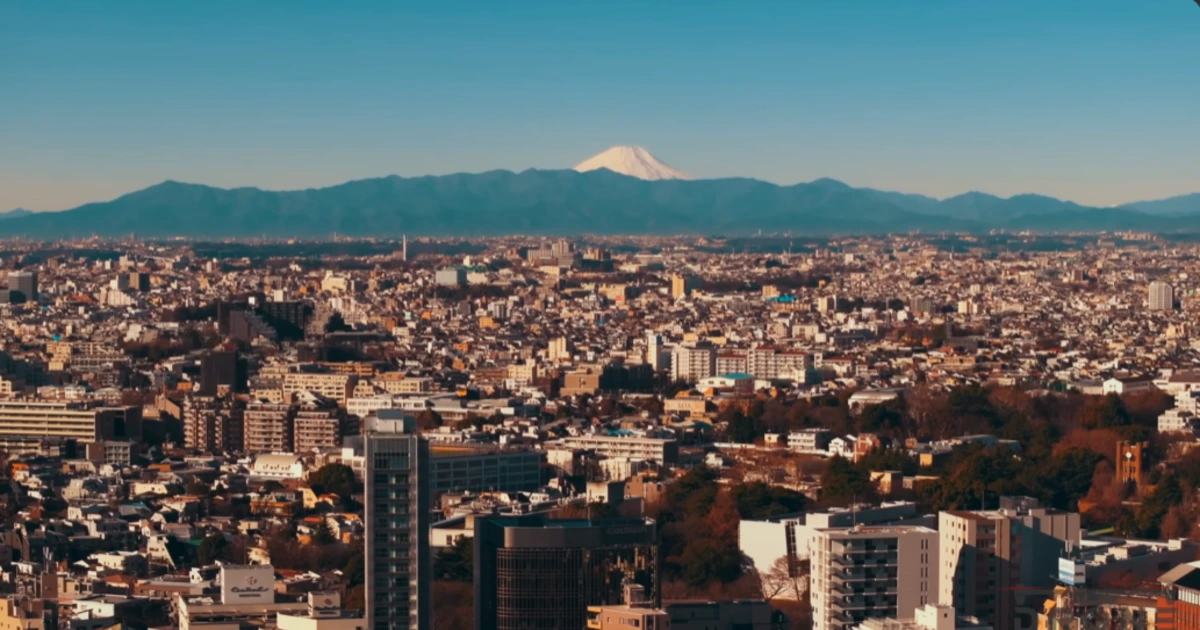
For the Kurdish families of Kawaguchi who fled persecution in Turkey and built lives in the shadow of Mount Fuji, and for the Sri Lankan Muslims and Chinese workers who have spent decades making Japan their home, the next few years will determine whether the country they chose has room for them in its future. The answer matters not just for them but for Japan itself.
Europeans24 covers immigration, nationalism and demographic trends across Europe and beyond. Follow us for continuing analysis of how societies are responding to the pressures of migration and political change.