
The UK economy contracted by 0.1% in April as the conflict in the Middle East disrupted energy supplies and global trade.
The British economy has experienced its first monthly contraction since August 2025, with official figures released today showing a 0.1% decline in gross domestic product (GDP) for April. This dip follows a period of robust growth earlier in the year, highlighting the growing economic strain caused by the conflict in the Middle East and the resulting disruption to global trade.
Data from the Office for National Statistics (ONS) confirmed that while the contraction was slight and largely anticipated by market analysts, it marks a significant shift in momentum. The decline was primarily driven by a 0.2% fall in the services sector, a cornerstone of the UK economy.
The Shadow of the Strait of Hormuz
The economic ripple effects of the Iran war have become increasingly tangible as the conflict continues to disrupt energy supplies. The closure of the Strait of Hormuz—a vital artery for global oil and gas shipments—has sent energy prices soaring, directly impacting the operational costs of UK businesses.
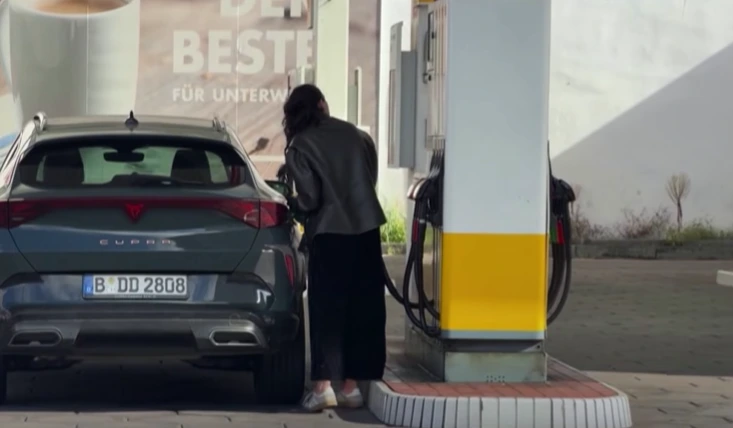
According to the ONS, the contraction in services was exacerbated by a decline in activity across the arts, entertainment, and recreation industries. Analysts suggest that this is partly due to the cancellation of major international sporting events in the region, which has led to reduced turnover for various UK-based firms that manage or support these activities. Additionally, retail sectors reported a slowdown, as households brace for the rising cost of fuel and electricity.
Resilience Amidst Volatility
Despite the monthly contraction, the broader economic picture remains more nuanced. When looking at the three-month period ending in April, the UK economy still demonstrated resilience, expanding by 0.7% compared to the three months to January. This marks the fifth consecutive period of three-month-on-three-month growth, suggesting that businesses have been better at adapting to shocks than some forecasts had predicted.
The construction sector also offered a glimmer of hope, recording a 0.1% increase in April, though this was primarily driven by repair and maintenance work rather than new infrastructure projects. Meanwhile, production output remained stagnant, reflecting the ongoing uncertainty facing the nation’s manufacturing base.
The Government and Bank of England’s Outlook
Chancellor Rachel Reeves addressed the figures this morning, emphasizing that the UK economy entered this period of global instability from a position of relative strength. “This is not a war we wanted or joined, but one that will have an impact at home,” she stated. She maintained that the government’s current economic plans are designed to build long-term security, despite the immediate pressures.
Market observers now expect the Bank of England to maintain interest rates at their current level of 3.75% during next week’s meeting. With inflation expectations being adjusted upward due to energy costs and the risk of further supply chain disruption, experts warn that the UK economy could face a period of near-stagnation for the remainder of the year.
As the government monitors the evolving situation in the Strait of Hormuz, the focus remains on navigating a landscape of high energy costs and shifting global trade patterns. For the average British household and business owner, the “April breather” is a reminder that the path to economic recovery remains tethered to the fragile stability of the international stage.