
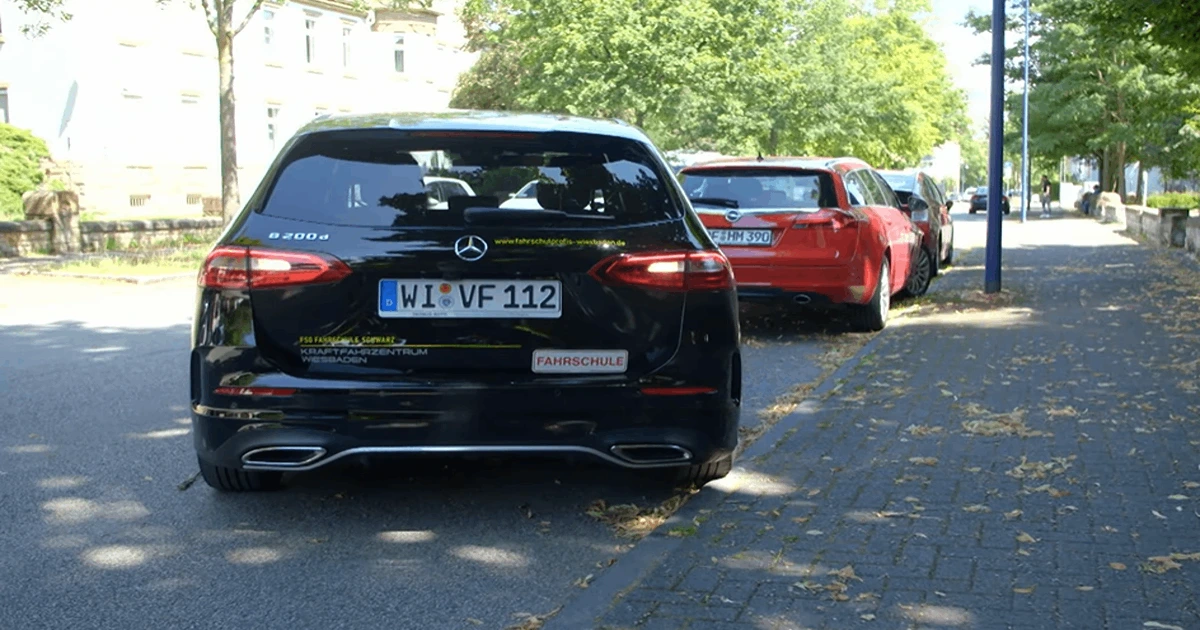
From digital licences to a new two-year probationary period for novice drivers, the EU is overhauling its licensing rules. Here is everything you need to know about how these changes will affect your driving life by 2029.
For millions of drivers across the European Union, the way you hit the road is about to change. Following the formal adoption of the “Road Safety Package” in late 2025, the EU has officially set in motion a comprehensive overhaul of its driving licence regulations.
While the transition is currently in its early stages, these rules represent the most significant update to European driving law in decades, aiming to harmonise safety standards and usher in a new era of “digital-first” mobility.
As member states begin the complex process of transposing these directives into national law, here is how the upcoming changes will affect you, whether you are a first-time learner or a seasoned professional behind the wheel.
1. The Dawn of the Digital License
The most visible change for the average driver will be the introduction of the EU Digital Driving License. Available as an option within the “EU Digital Identity Wallet” on your smartphone, this digital version will be fully equivalent to the traditional plastic card.
The goal is to simplify life for the millions of Europeans who live, work, or travel across borders. Renewing, replacing, or exchanging a license will eventually move entirely online, eliminating the need for paperwork and long visits to government offices. Importantly, for those who prefer tradition or travel to regions outside the EU where digital formats may not be recognized, physical licenses will remain available upon request.
2. Stricter Standards for Novice Drivers
The EU is taking a “safety-first” approach to the most vulnerable group on the road: young and novice drivers. Under the new directive, a mandatory probationary period of at least two years will be introduced for all new drivers.
During this two-year window, novice drivers will face much stricter rules regarding traffic offenses. While a proposed total ban on alcohol for novice drivers was ultimately dropped in the final agreement, member states are now required to enforce tougher sanctions for driving under the influence of alcohol or drugs, ensuring that those just beginning their driving journey are held to a higher standard of road safety.
3. Changes for Professional and Younger Drivers
To address the chronic shortage of professional drivers across the bloc, the new rules normalize the minimum ages for operating heavy vehicles:
- Trucks (Category C): The minimum age for solo driving is now 18, provided the driver holds a Certificate of Professional Competence (CPC).
- Buses (Category D): The minimum age is set at 21 for those with a CPC.
Additionally, an optional “accompanied driving scheme” allows 17-year-olds to gain vital experience behind the wheel under the supervision of an experienced driver, effectively closing the “school-to-wheel” gap.
4. Cross-Border Accountability
A significant loophole is finally being closed: cross-border enforcement of disqualifications. Under the new rules, if a driver is banned from operating a vehicle in one EU member state, that ban will now be recognized and enforced across the entire EU. This ensures that a driver who loses their license for dangerous behavior in one country cannot simply move across a border and continue driving.
5. Modernizing Fitness and Training
The definition of “fitness to drive” is evolving. While mandatory medical checks for drivers over 70 have been largely replaced by self-assessment tools to reduce administrative burden, the focus has shifted toward better training. New testing requirements will now assess a driver’s knowledge of:
- Advanced driver-assistance systems (ADAS) and automation.
- The safety of vulnerable road users, including cyclists, pedestrians, and e-scooter riders.
- Risk awareness and driving in adverse weather conditions.
When Do These Changes Take Effect?
While the rules have officially entered into force, the timeline for implementation is staggered to allow for a smooth transition:
- National Transposition: Member states have until November 2028 to write these rules into their own national laws.
- Full Application: Most provisions must be fully applied by November 2029.
- Validity Rules: Some specific measures regarding license validity and technical standards began their adoption phases as early as late 2027.
“This reform brings long-awaited clarity and modernization to driver training,” noted a spokesperson from the International Road Transport Organisation (IRU). “It is about making the roads safer for everyone while ensuring that our licensing system is as mobile as the people it serves.”
As these changes roll out, drivers are encouraged to keep an eye on updates from their national transport ministries, as each country may implement these EU-wide goals through slightly different administrative processes.