
Bangladesh is set to acquire 4 units of Sikorsky’s UH-60L Black Hawk helicopters as part of its military modernization. Get a detailed look at the aircraft’s specifications, including its power, range, and multi-mission capabilities, and learn what this deal means for the nation’s defense.
The strategic landscape of South Asia is poised for a significant shift in aerial capabilities as the Bangladesh Army reportedly sets its sights on acquiring the formidable UH-60L Black Hawk helicopter.
This potential procurement, a key component of the ongoing “Forces Goal 2030” modernization plan, signifies Bangladesh’s commitment to bolstering its defense infrastructure and enhancing its ability to respond to a diverse range of operational needs, both domestically and internationally.
The announcement was first made by the Chief of Army Staff of the Bangladesh Army, General Waker-Uz-Zaman, who confirmed negotiations are underway to acquire Sikorsky helicopters.
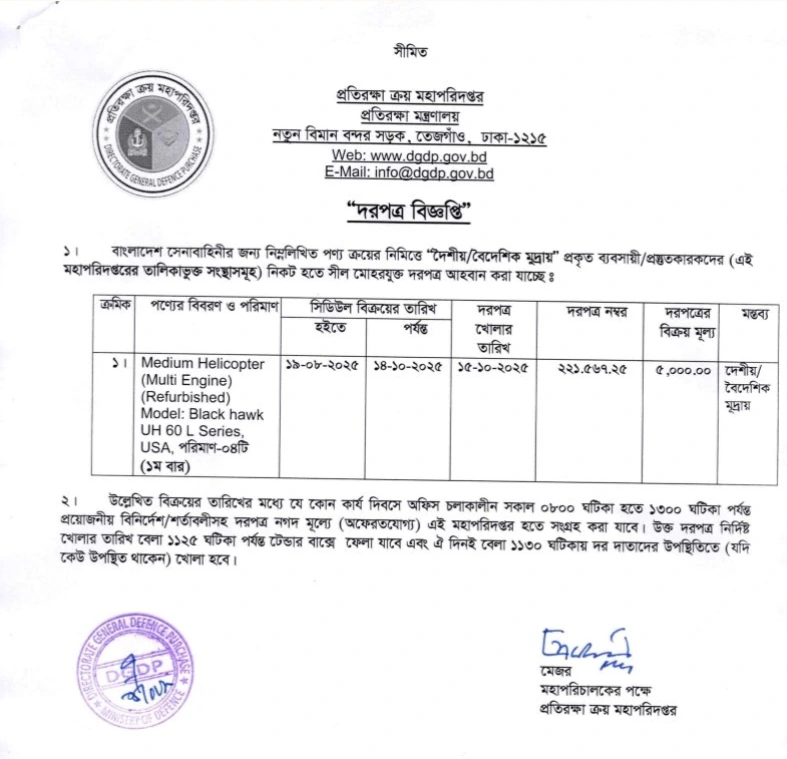
While initial reports hinted at the export-oriented S-70i variant, deeper analysis and sources within the defense community suggest that the specific model under consideration is the battle-proven UH-60L Black Hawk, a mainstay of the United States military known for its robustness, versatility, and advanced capabilities. Europeans24 has been able to acquired the tender notice from Bangladesh’s Directorate General of Defence Purchase (DGDP) under Ministry of Defence.
This development also comes at a time when Bangladesh is facing challenges with other military procurements. A recent deal to purchase Mi-171A2 helicopters from a Russian supplier has been stalled due to U.S. sanctions, highlighting the complexities of international defense acquisitions and the strategic shift towards partnering with Western nations for military hardware.
The acquisition of Black Hawks would not only modernize the fleet but also strengthen the country’s defense ties with the United States.
A Nation Strengthening its Wings: The Strategic Imperative for Modernization
Located in the heart of the densely populated and strategically important South Asian region, Bangladesh recognizes the critical role of a modern and well-equipped military in safeguarding its sovereignty, protecting its borders, and contributing to regional stability.
The “Forces Goal 2030” initiative is a comprehensive long-term plan designed to transform the Bangladesh Armed Forces into a technologically advanced and highly capable fighting force across all domains – land, sea, and air.
The aviation wing of the Bangladesh Army plays a vital role in troop transport, logistical support, medical evacuation, search and rescue operations, and reconnaissance. The current fleet, while serving diligently, requires modernization to meet the evolving security challenges of the 21st century.
The acquisition of medium-lift helicopters with enhanced capabilities is a key priority in this modernization drive, and the UH-60L Black Hawk emerges as a compelling choice due to its established track record and multi-mission adaptability.
The UH-60L Black Hawk: A Legacy of Versatility and Reliability
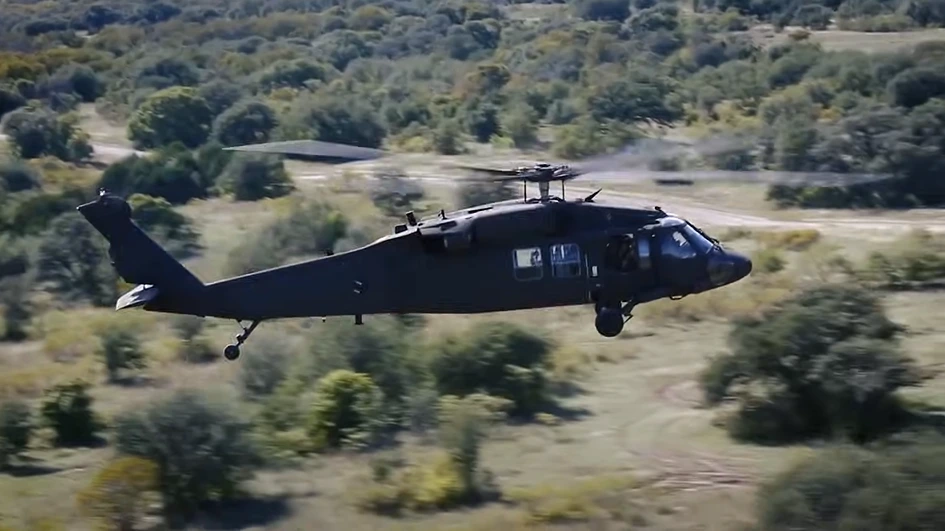
The Sikorsky UH-60 Black Hawk is arguably one of the most iconic and successful military helicopters ever designed. First entering service with the United States Army in the late 1970s, the Black Hawk has seen extensive combat and operational deployments across the globe, earning a reputation for its ruggedness, reliability, and ability to perform a wide spectrum of missions under demanding conditions.
The UH-60L is a specific, upgraded variant of the original UH-60A, featuring more powerful T700-GE-701C engines and an improved gearbox, enhancing its performance, especially in hot and high environments – a significant consideration for operations within Bangladesh and the broader region.
Technical Specifications of the UH-60L: Power and Performance
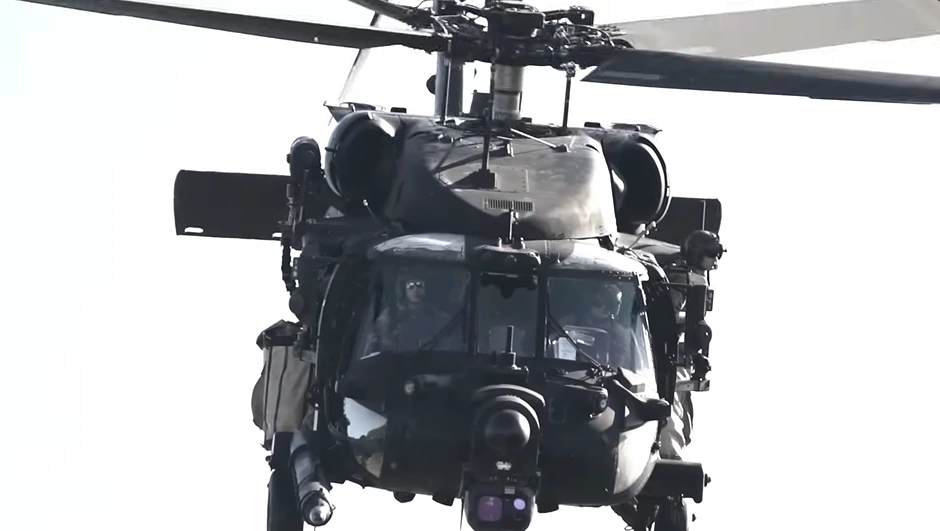
The UH-60L boasts impressive technical specifications that underscore its capabilities:
- Engines: Powered by two General Electric T700-GE-701C turboshaft engines, each producing approximately 1,940 shaft horsepower. This increased power compared to earlier models provides superior lift capacity and performance, especially crucial during demanding operations and in varying weather conditions.
- Maximum Cruise Speed: Around 159 knots (294 km/h), allowing for rapid deployment of troops and equipment across significant distances. This speed is vital for effective response in emergency situations and tactical maneuvers.
- Range: With standard internal fuel tanks, the UH-60L has a combat radius of approximately 368 nautical miles (682 km). This range can be further extended with the use of external or internal auxiliary fuel tanks, significantly increasing its operational reach for extended missions.
- Service Ceiling: Capable of reaching altitudes of up to 19,000 feet (5,791 meters), the UH-60L offers operational flexibility in diverse terrains and weather patterns, providing an advantage in tactical scenarios and during high-altitude search and rescue operations.
- Rate of Climb: The helicopter exhibits a rapid rate of climb, exceeding 1,650 feet per minute (8.4 meters per second), allowing for swift ascent from ground level, a critical attribute in tactical deployments and when navigating challenging landscapes.
- Maximum Take-off Weight: The UH-60L has a maximum gross weight of 22,000 pounds (9,979 kg), enabling it to carry substantial payloads of troops, equipment, and supplies, crucial for logistical support and troop deployment.
- Payload Capacity: It can transport a significant internal payload of up to 8,000 pounds (3,600 kg) or carry an external sling load of up to 9,000 pounds (4,080 kg), showcasing its versatility in transporting a wide array of mission-critical resources.
- Troop Capacity: In its standard configuration, the UH-60L can comfortably accommodate a crew of three to four (two pilots, a crew chief, and potentially a gunner or medic) along with up to 11 fully equipped troops. High-density seating configurations can increase this capacity for specific transport missions.
Beyond Specifications: The Multi-Mission Adaptability of the Black Hawk
The true strength of the UH-60L lies in its remarkable adaptability to a wide range of mission profiles. Its spacious cabin can be rapidly reconfigured to serve various roles, making it an invaluable asset for modern armed forces:
- Troop Transport and Air Assault: The primary role for which the Black Hawk was designed, it excels at rapidly deploying troops into and extracting them from tactical environments. Its robust airframe and powerful engines allow it to operate effectively in contested areas.
- Medical Evacuation (MEDEVAC): The spacious cabin can be fitted with medical equipment to transport critically injured personnel. Its speed and range ensure timely evacuation to medical facilities, significantly increasing survivability rates. This capability would be particularly valuable in disaster relief efforts within Bangladesh.
- Search and Rescue (SAR): Equipped with a rescue hoist and advanced navigation systems, the Black Hawk is highly effective in SAR missions, capable of locating and recovering personnel in challenging terrain or maritime environments. Bangladesh, with its coastal regions and riverine networks, would greatly benefit from this capability.
- Cargo and Logistics Support: The UH-60L can carry significant internal and external loads, making it crucial for transporting essential supplies, equipment, and ammunition to remote or inaccessible areas. This logistical capability is vital for sustaining military operations and supporting humanitarian aid efforts.
- Armed Escort and Close Air Support: The Black Hawk can be armed with a variety of weapons systems, including door-mounted machine guns and rocket pods, providing armed escort for troop transports or limited close air support for ground forces. This enhances the self-protection capabilities of the helicopters and provides valuable fire support options.
- Special Operations: The Black Hawk is a favored platform for special operations forces worldwide due to its speed, agility, and ability to insert and extract small teams in clandestine operations.10 This capability would enhance Bangladesh’s ability to respond to asymmetric threats and conduct specialized missions.
Strategic Implications for Bangladesh and Regional Dynamics
The potential acquisition of UH-60L Black Hawk helicopters carries significant strategic implications for Bangladesh and could influence the regional military balance:
- Enhanced Military Capability: The Black Hawk would represent a substantial upgrade to Bangladesh’s existing medium-lift helicopter fleet, providing increased lift capacity, range, speed, and survivability. This would significantly enhance the Army’s ability to conduct a wider range of operations more effectively.
- Improved Disaster Response: Bangladesh is particularly vulnerable to natural disasters such as cyclones and floods. The Black Hawk’s versatility in MEDEVAC, SAR, and cargo transport would significantly bolster the nation’s disaster response capabilities, allowing for faster and more efficient delivery of aid and evacuation of affected populations, especially in remote areas like the Sundarbans and the coastal districts including those in Rajshahi Division.
- Strengthened International Partnerships: Procuring military hardware from the United States would further strengthen the growing defense relationship between Bangladesh and the U.S. This could lead to increased cooperation in training, technology transfer, and joint military exercises, enhancing interoperability and fostering stronger strategic ties.
- Shifting Procurement Dynamics: As highlighted by the stalled Russian helicopter deal due to sanctions, Bangladesh is likely seeking to diversify its sources of military equipment and reduce its reliance on any single nation. The potential Black Hawk acquisition aligns with this strategy, demonstrating a pivot towards Western partners for advanced military technology.11
- Regional Power Projection: While primarily intended for defensive and internal security roles, a modern and capable helicopter fleet could also enhance Bangladesh’s ability to contribute to regional peacekeeping operations under the United Nations or participate in multinational security initiatives.
Navigating the Path Ahead: Considerations for Acquisition
While the acquisition of UH-60L Black Hawks offers numerous benefits, the process will involve careful consideration of several factors:
- Cost: The procurement and long-term maintenance costs of advanced military helicopters are substantial. Bangladesh will need to carefully assess the financial implications and ensure a sustainable funding model for the acquisition and operation of the Black Hawks.
- Training and Infrastructure: Integrating a new and sophisticated helicopter platform into the existing fleet will require significant investment in pilot and maintenance crew training, as well as the development of necessary infrastructure and support systems.
- Integration with Existing Assets: Ensuring seamless integration of the Black Hawks with the Bangladesh Army’s existing aviation assets and command-and-control systems will be crucial for maximizing their operational effectiveness.
- Political and Geopolitical Factors: Defense acquisitions are often influenced by political and geopolitical considerations. Bangladesh will need to navigate these factors carefully to ensure a smooth and beneficial procurement process, particularly given the current global security landscape.
The potential acquisition of UH-60L Black Hawk helicopters represents a significant step forward in the modernization of the Bangladesh Army’s aviation wing. This battle-tested and highly versatile platform would provide a substantial boost to the nation’s capabilities across a wide spectrum of military and humanitarian operations.
Follow Europeans24 for more defence updates!