
Searches for the 2013 iPhone 5C have surged by 40,500% as Gen Z embraces its lo-fi camera aesthetic. Discover why this retro smartphone is trending and how to avoid its severe cybersecurity risks.
In the autumn of 2026, while technology headlines are dominated by multi-lens flagship cameras, foldable screens, and artificial intelligence features, an unexpected relic from 2013 is stealing the cultural spotlight. Apple’s iPhone 5C, a colourful, polycarbonate smartphone once dismissed by tech reviewers as an underpowered budget experiment, has become one of the most sought-after gadgets among Generation Z.
According to retail search data analyzed by mobile recycling platform Compare and Recycle, online searches to buy the discontinued iPhone 5C skyrocketed by an astonishing 40,500% over the past year, while queries specifically targeting the “iPhone 5C camera” climbed by 1,815%. Far from being an ironic fad, this sudden obsession reflects a deeper cultural rebellion against modern smartphone perfection, hyper-processed photography, and constant digital connectivity.
The Revolt Against Computational Perfection
To understand why young consumers in London, Berlin, and New York are hunting down a 13-year-old device on secondhand marketplaces, one must look at how smartphone photography has evolved. Modern flagship phones rely heavily on advanced computational photography and artificial intelligence. When a user snaps a photo on a 2026 smartphone, the processor instantly stitches together multiple exposures, sharpens textures, balances shadows, and smooths skin tones.
For a generation raised entirely on curated social media feeds, that clinical perfection has started to feel sterile and artificial. The iPhone 5C offers the exact opposite experience. Equipped with a basic 8-megapixel rear camera and zero modern AI image processing, the device captures images with soft focus, natural grain, warm highlights, and slight motion blur.
On platforms like TikTok and Instagram, creators are celebrating these raw, unedited images as the ultimate early-2010s and “Y2K aesthetic”. Instead of spending hundreds of euros on vintage point-and-shoot digital cameras, whose prices have soared due to influencer demand, young buyers realized they could achieve the exact same nostalgic, lo-fi look for under €50 by picking up a refurbished iPhone 5C.
Tactile Nostalgia and the “Young-Tro” Movement
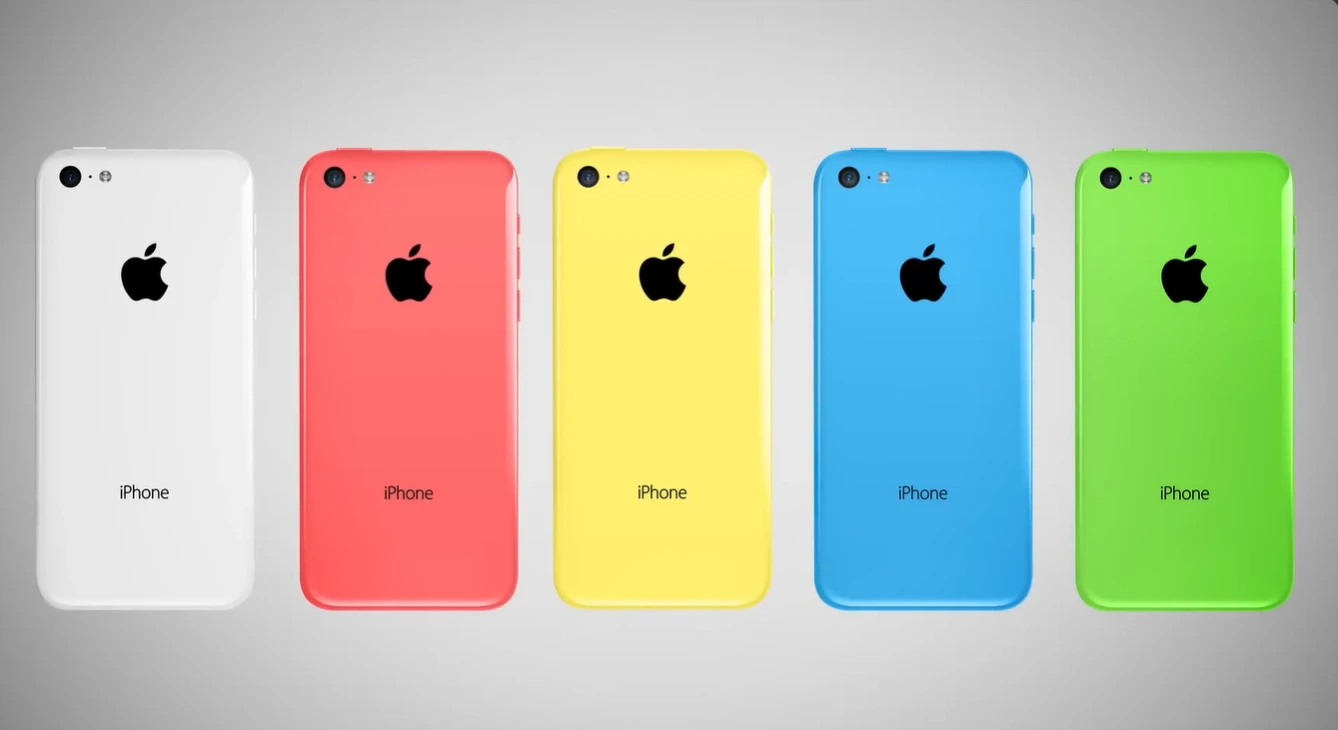
The appeal of the iPhone 5C extends well beyond its camera sensor. When Apple launched the device in September 2013, it broke away from its traditional metallic designs by encasing the phone in a glossy, seamless polycarbonate shell available in bright green, blue, yellow, pink, and white.
In an era where almost every modern smartphone looks like an identical slab of dark glass and titanium, the iPhone 5C feels unapologetically playful and distinct. Cultural researchers have dubbed this wave of nostalgia “Young-tro”, a blend of youth culture and retro appreciation. Alongside the resurgence of wired headphones, vinyl records, and physical buttons, carrying a bright plastic iPhone acts as both a fashion statement and a subtle rejection of homogenized modern tech design.
Moreover, using the device enforces an unintentional digital detox. Because the phone’s hardware cannot support modern social media apps, users cannot immediately edit, filter, or upload their photos to the cloud. Instead, the iPhone 5C functions strictly as a dedicated pocket camera, encouraging users to stay present in the moment and transfer their photos manually to a computer via cable later.
The Hidden Cybersecurity Trap
While the aesthetic charm of the iPhone 5C is undeniable, cybersecurity and privacy specialists are sounding the alarm over how these vintage devices are being used. Unlike a standalone 2000s digital camera, an iPhone is a networked computer, and the 5C is running severely outdated software.
Apple ceased software support for the iPhone 5C in 2017, leaving it frozen on iOS 10.3.3. Furthermore, the company officially classified the model as obsolete, meaning it no longer receives hardware repairs or critical security patches. As detailed in TechRadar’s report on the iPhone 5C privacy warnings, connecting a device that has gone nearly a decade without security fixes to modern Wi-Fi networks or inserting an active SIM card exposes users to severe data vulnerabilities.
Without modern encryption standards and patched browser vulnerabilities, logging into personal Apple IDs, email accounts, or cloud storage on an iPhone 5C leaves personal photos and credentials exposed to interception and malware.
How to Safely Embrace the Trend
For buyers eager to experiment with the retro camera trend without compromising their digital safety, technology experts recommend treating the iPhone 5C strictly as an offline hardware tool:
- Keep it permanently in Airplane Mode: Never connect the device to public or home Wi-Fi networks, and avoid inserting an active cellular SIM card.
- Skip the Apple ID login: Operate the phone without signing into your primary iCloud account so personal messages, contacts, and synced passwords never touch the unpatched operating system.
- Use wired transfers: Move photos onto a modern laptop or smartphone using a physical Lightning-to-USB cable rather than relying on outdated cloud services.
The sudden revival of the iPhone 5C proves that technological progress is not always a straight line. As artificial intelligence makes digital perfection effortless and ubiquitous, imperfection itself has become a luxury commodity, even if it comes wrapped in 13-year-old plastic.