Apple services, including Apple Pay, iCloud, and the App Store, suffered a major global outage due to a faulty internal update. Discover how the technical failure paralyzed retail stores and rattled digital infrastructure.
For millions of users and thousands of retail staff around the world, Tuesday, November 17, 2026, offered a stark reminder of just how deeply integrated Apple’s digital ecosystem has become into everyday life. Beginning shortly before noon Eastern Time, core pillars of the company’s infrastructure suddenly went dark. Consumers attempting to tap their phones at coffee shop terminals found Apple Pay unresponsive, while users trying to download software, stream music, or authenticate their accounts ran into persistent error walls across the App Store, Apple Music, and iCloud.
Unlike minor regional slowdowns, this disruption cut straight through both consumer-facing platforms and Apple’s internal corporate machinery. As engineers raced to stabilize the network throughout the afternoon, the incident sparked immediate speculation about coordinated cyber warfare, particularly given a string of high-profile digital failures across banking and aviation over the preceding week. However, as official technical statements emerged, the true culprit pointed to a far more familiar, yet equally dangerous, vulnerability in modern cloud architecture: a faulty internal update.
The Trigger: Anatomy of a Faulty Internal Update
When major technology platforms experience simultaneous, multi-service failures, public suspicion naturally gravitates toward external hackers or distributed denial-of-service attacks. Apple moved quickly to quash those theories, explicitly confirming to media outlets that the disruption was not the result of a cyberattack. Instead, a company spokesperson attributed the cascading failure directly to an internal system update pushed out earlier that morning.
In enterprise cloud engineering, internal updates, often involving configuration changes, authentication certificate renewals, or backend database routing adjustments, represent one of the highest-risk moments in daily operations. Because modern tech ecosystems rely on tightly coupled microservices, a single misconfigured parameter inside a core authentication layer can trigger a domino effect.
During the November 17 incident, user reports logged on Downdetector’s outage tracking platform revealed how rapidly that domino effect spread. Trouble began spiking around 11:30 a.m. ET across iCloud account sign-in interfaces before cascading into Apple Pay, Apple Support, AppleCare on Devices, and the App Store. When the central identity and verification servers falter, downstream services that depend on real-time token authentication are forced to reject user requests, effectively locking customers out of their own digital wallets and cloud storage.
Retail Paralysis: When Corporate Backbones Go Dark
What elevated this incident from a routine consumer annoyance to a major operational crisis was its severe impact on Apple’s physical footprint. Modern retail environments no longer operate on standalone cash registers; they run entirely on cloud-tethered mobile point-of-sale devices and real-time inventory databases.
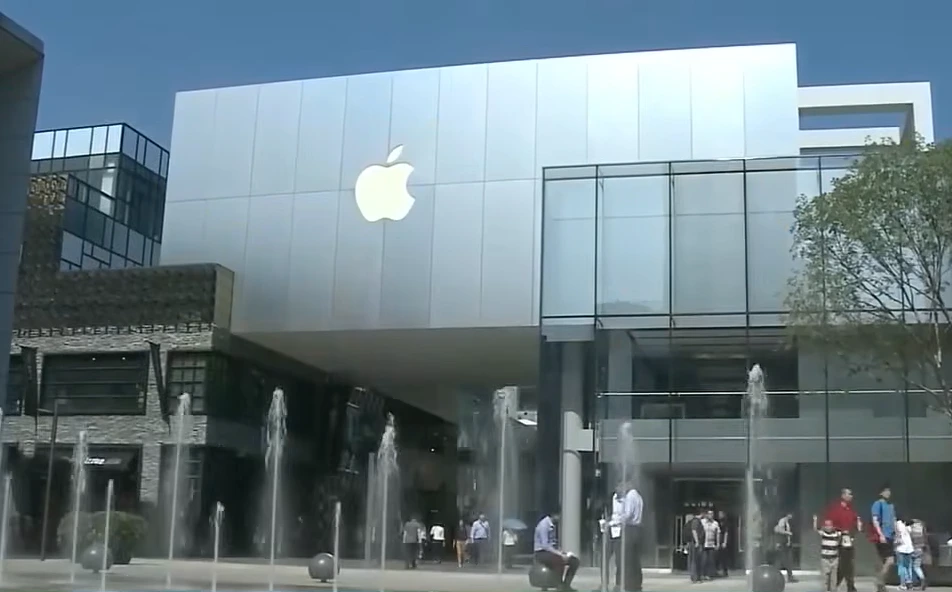
As the backend servers stalled, Apple’s brick-and-mortar stores experienced a sudden operational freeze. Retail employees took to online forums to report that internal tools, including EasyPay checkout terminals, inventory runner apps, Backstage diagnostic systems, and online order fulfillment portals, had gone completely offline. Corporate employees simultaneously noted widespread interruptions across internal communication and workflow platforms.
For several hours, one of the most sophisticated retail operations on the planet was unable to process routine point-of-sale transactions or verify Genius Bar repair tickets, demonstrating the hidden fragility of relying entirely on centralized cloud synchronization for physical commerce.
The Broader Context: A Week of Fragile Infrastructure
Apple’s Tuesday morning breakdown did not happen in a vacuum. It arrived at the tail end of an unusually turbulent seven-day stretch for global digital infrastructure, raising serious questions among enterprise architects about systemic software fragility.
Just days prior, a software bug inside Microsoft’s data centres crippled core workplace tools, including Outlook, Microsoft 365, Teams, and Copilot, for several hours. Over the same weekend and early week, equipment and network failures disrupted Federal Aviation Administration air traffic control facilities and United Airlines operations, while a technical glitch at JPMorgan Chase temporarily severed online banking and Zelle transfers for thousands of customers. Even the U.S. National Security Agency experienced intermittent disruptions on a classified internal communications network on the very same day Apple went down.
While cybersecurity analysts and federal officials have found no evidence linking these separate incidents to a coordinated attack, their close proximity highlights a critical reality of late 2026. As cloud architectures grow increasingly complex and automated deployment pipelines push updates at relentless speeds, the margin for human or algorithmic error shrinks dramatically. Detailed reporting from TIME’s coverage of the Apple outage underscores how routine maintenance in hyper-scale environments can inadvertently sever vital consumer and commercial lifelines within minutes.
Lessons in Redundancy and Rollback Speed
By Tuesday evening, Apple engineers had successfully rolled back the problematic changes and restored normal operations across its consumer and retail networks. However, the incident leaves behind crucial lessons for enterprise IT leaders and European regulators scrutinizing critical digital infrastructure.
First, automated rollback mechanisms must be just as fast as automated deployment pipelines. When a configuration update degrades authentication services, systems need circuit breakers capable of isolating the faulty code before it saturates global load balancers. Second, physical retail and financial environments require stronger offline failover modes. When cloud connectivity drops, local point-of-sale hardware should retain cached authorization capabilities to keep commerce moving without grinding physical stores to a halt.
For everyday users, the November 2026 outage serves as a practical wake-up call. In an era where boarding passes, house keys, credit cards, and identity documents all live inside a single digital ecosystem, maintaining physical backups—whether a traditional plastic payment card or printed travel itineraries—remains the smartest defense against the inevitable glitches of an always-online world.