
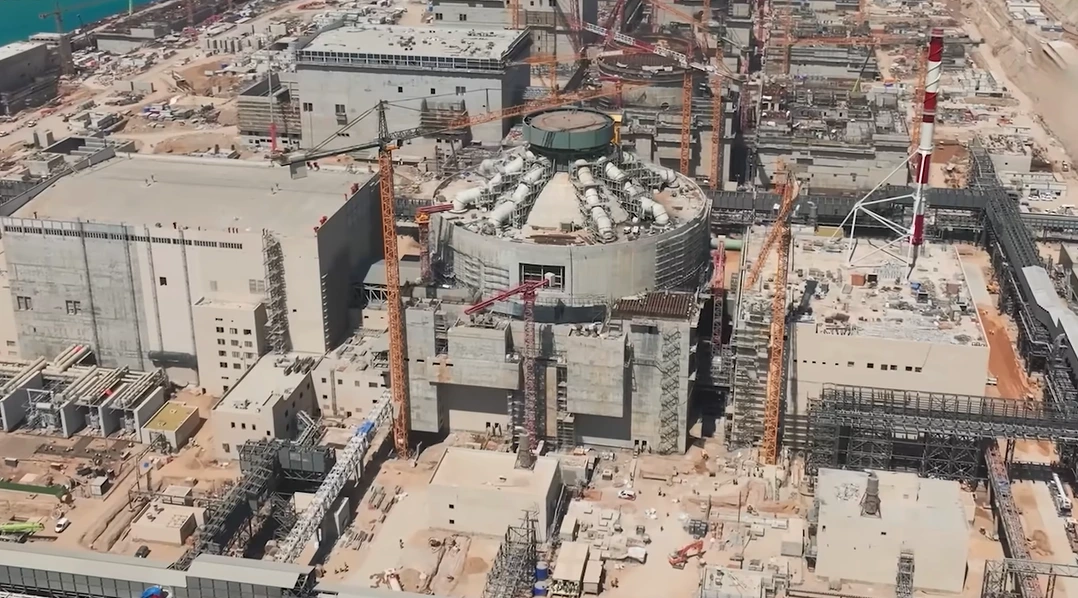
Tech giants like Google and Meta are investing billions in nuclear power and small modular reactors to power AI data centres.
The artificial intelligence revolution has encountered a physical limit. As hyperscalers race to build the massive data centers required to train and run next-generation AI models, they are hitting the ceiling of global electrical grid capacity. Wind and solar power, while environmentally friendly, lack the baseline reliability required for facilities that consume gigawatts of electricity around the clock. The technology sector has abruptly changed course in late 2026, pivoting away from standard renewable energy certificates and signing multi-billion dollar contracts to fund the revival and expansion of nuclear power.
This shift marks a profound realignment of both the technology and energy sectors. Data center power demand is now dictating regional energy policies, forcing governments and utilities to reconsider nuclear energy as the only viable zero-carbon power source capable of sustaining the AI boom.
The Shift to Firm Capacity
For years, major technology companies met their climate pledges by purchasing renewable energy credits to offset their carbon footprint. The sheer scale of modern AI computing makes that accounting strategy obsolete. Today’s massive infrastructure announcements are no longer just about ordering silicon chips. They are about securing reliable, continuous power.
Throughout October 2026, the technology industry fundamentally changed how it buys electricity. Instead of relying solely on grid power, companies are now paying for “firm capacity” by entering into 15 to 20-year contracts with nuclear operators. These agreements are so lucrative that they are funding the physical upgrading of existing reactors and the restarting of plants that had previously been decommissioned for economic reasons.
How Hyperscalers Are Rewriting the Energy Map
The scale of these investments is unprecedented. In early 2026, Meta locked in massive 20-year power purchase agreements for nearly 2,200 megawatts of nuclear energy from plants in Ohio, ensuring near-term power deliveries.
By October 2026, the trend accelerated dramatically. Google signed a massive 20-year deal to secure 890 megawatts of new nuclear capacity through physical upgrades across 11 different reactor units, alongside a separate 15-year agreement for 2,700 megawatts from existing plants. These contracts are single-handedly altering the financial viability of nuclear energy operators. Nuclear companies like Constellation and Vistra have become the most sought-after suppliers in the global market. Because hyperscalers offer guaranteed, contracted cash flows over decades, financing new power projects.
has become significantly easier, allowing energy operators to secure massive loans backed directly by tech industry capital.
The Future: Small Modular Reactors and On-Site Power
While upgrading existing plants solves the immediate power deficit, tech giants are simultaneously funding the next generation of nuclear technology. Small modular reactors (SMRs) are becoming a central focus for future data centre planning. Companies like TerraPower and Oklo are securing agreements to deliver advanced reactor designs in the early 2030s. Meta recently secured rights to two Natrium units with an option for six more, potentially yielding up to 2.8 gigawatts of power by 2035. Capital is flooding into the space, with startups raising billions to mass-produce small reactors and even barge-mounted nuclear units.
In the interim, on-site generation has moved from a fringe concept to standard industry practice. Companies are deploying fuel cells and gas turbines right next to data halls to ensure independent, modular power generation while they wait for new nuclear capacity to come online.
The Public Policy Dilemma
This corporate rush toward nuclear energy creates a complex scenario for European and North American policymakers. On one hand, private tech capital is funding the clean energy transition faster than many government initiatives. On the other hand, assigning existing, carbon-free nuclear output to private data centres means that power is being diverted from the public grid. When a hyperscaler buys the output of an existing nuclear plant, they are essentially reassigning power that residential and commercial customers were already using. This forces local utilities to replace that lost capacity, often relying on natural gas or coal, which inadvertently drives up regional emissions.
To prevent grid instability, regulatory bodies are being forced to intervene. Public policy must balance the economic benefits of hosting cutting-edge AI infrastructure against the risk of rising electricity costs for everyday citizens.
The artificial intelligence race is no longer just a software competition. It is an infrastructure and energy marathon. By anchoring their future to nuclear power, technology companies are reshaping global energy markets and proving that the path to artificial general intelligence runs directly through the atomic age.