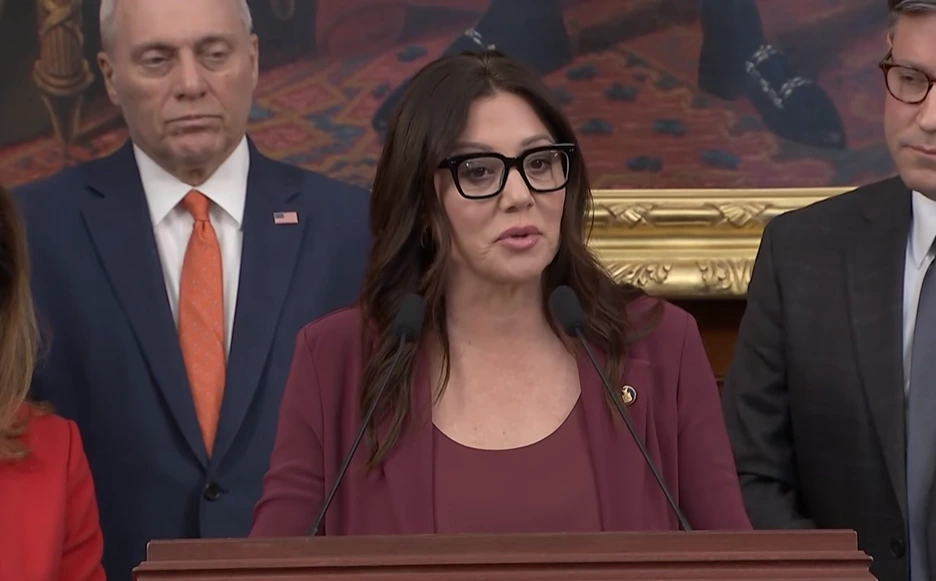
U.S. Labor Secretary Lori Chavez-DeRemer steps down amid misconduct investigations.
The halls of the Frances Perkins Building, usually humming with the business of the American workforce, fell into a heavy stillness on Monday as the news rippled through the Department of Labor. Lori Michelle Chavez-DeRemer, the former Oregon congresswoman who rose to lead the nation’s labor interests just over a year ago, has officially stepped down.
While the public statement from the White House framed the exit as a transition to the private sector, the departure is undeniably clouded by a series of investigations and deeply personal controversies that have dominated headlines for months.
Her resignation marks the third high-profile exit of a female Cabinet member in less than eight weeks. Coming on the heels of the departures of Kristi Noem and Pam Bondi, Chavez-DeRemer’s exit leaves a significant vacancy in a leadership circle that has recently faced intense scrutiny over internal culture and professional conduct.
A Public Exit with a Private Backdrop
In her farewell message shared on social media, Chavez-DeRemer remained characteristically defiant and focused on her legacy. She spoke of her pride in “bridging the gap between business and labor” and thanked President Trump for what she called the honor of a lifetime.
She emphasized her journey from packing peaches in rural California to the Cabinet table, painting a picture of a public servant who remains committed to the American worker.
The White House, through spokesperson Steven Cheung, offered a supportive send-off, praising her for a “phenomenal job” and highlighting her efforts to cut regulatory burdens and boost apprenticeship programs. However, the warmth of the official rhetoric was a sharp contrast to the cold reality of the monthslong investigation conducted by the agency’s inspector general.
The Investigations Behind the Curtain
The pressure on Chavez-DeRemer reached a breaking point following a string of sensational allegations that moved from internal whispers to public record. Central to the investigation were claims of professional misconduct, including an alleged affair with a member of her security detail and the misuse of government funds for personal travel.
Reports detailed a “stash” of alcohol in her office and the use of department resources for a birthday celebration that was reportedly disguised as an official swearing-in event.
Perhaps more damaging were the allegations involving her family. Her husband, Dr. Shawn DeRemer, became a central figure in the scandal after multiple female staff members accused him of sexual harassment and inappropriate touching within the department’s headquarters.
These claims were severe enough to lead to him being officially barred from the building, a move that signaled a profound breakdown in the boundary between the secretary’s personal life and her professional duties.
A Legacy Caught in the Crosswinds
Before her time in Washington, Chavez-DeRemer was a symbol of Republican resurgence in the Pacific Northwest. As the daughter of a Teamster and a successful small businesswoman, she carried a unique perspective that appealed to both traditional conservatives and blue-collar workers. Her political rise from the mayor’s office in Happy Valley to the halls of Congress was defined by a practical, “get-it-done” attitude.
However, her tenure as Labor Secretary was increasingly defined by what critics called a “hostile work environment”. While she touted successes in AI workplace readiness and mortgage-paying jobs, the internal turnover at the department told a different story.
At least four top officials were forced from their roles as the inspector general’s probe intensified, and the cancellation of international grants aimed at fighting child labor drew sharp rebukes from human rights organisations and union leaders alike.
A Department in Transition
As Chavez-DeRemer prepares for her move into the private sector, the task of stabilizing the Department of Labor falls to Deputy Secretary Keith Sonderling, who will serve as the acting head. The transition comes at a critical moment for the administration as it continues to navigate a landscape of shifting labor laws and a restless workforce.
The story of Lori Chavez-DeRemer serves as a complex reminder of the scrutiny that comes with the highest levels of power. For those who saw her as a champion of the common worker, her departure is a disappointment. For those who were troubled by the mounting allegations, it is a necessary closure.
As the investigation nears its formal conclusion, the focus now shifts to whether the department can reclaim the quiet productivity that its namesake, Frances Perkins, once championed.