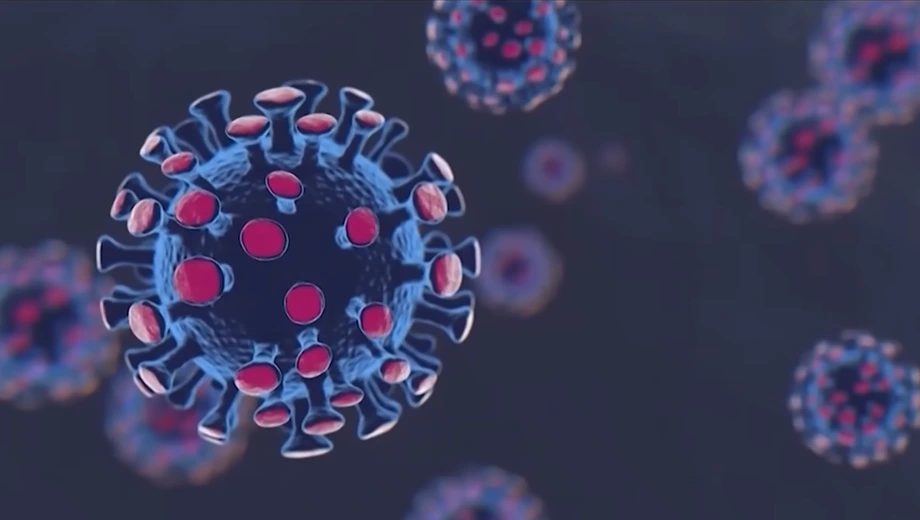
COVID CICADA VARIANT 2026: Everything you need to know about the highly mutated BA.3.2 “Cicada” variant
Just as the world acclimated to the seasonal rhythm of respiratory viruses, a new “genetically divergent” player has emerged on the global stage. Officially designated as BA.3.2, the variant has earned the nickname “Cicada” among genomic researchers. The name is a nod to the variant’s peculiar behaviour: after first being detected in South Africa in late 2024, it seemingly “went underground” for over a year before resurfacing this spring in massive, highly mutated numbers.
While the World Health Organization (WHO) currently classifies Cicada as a “Variant Under Monitoring,” its rapid rise in European wastewater and its detection in 25 U.S. states have public health officials on high alert.
The Genetic “Swarm”: 75 Mutations and Counting
What sets the Cicada variant apart from the dominant JN.1 lineage is its staggering level of evolution. Laboratory sequences show that BA.3.2 carries between 70 and 75 mutations in the spike protein alone—the “key” the virus uses to enter human cells.
- Immune Evasion: Experts at Northeastern University and the CDC suggest this high mutation load makes the variant particularly adept at “immune escape”, allowing it to potentially bypass antibodies from older vaccinations or prior infections.
- The “Dormancy” Mystery: Scientists are still investigating how the lineage survived undetected for 15 months. Some hypothesise it may have been circulating in an immunocompromised individual or a hidden animal reservoir before re-emerging with its new tactical advantages.
| Feature | BA.3.2 “Cicada” Profile |
| First Identified | November 2024 (South Africa) |
| Spike Mutations | 70–75 (Highly Divergent) |
| U.S. Presence | Detected in 25 States (Wastewater & Clinical) |
| European Impact | Up to 30% of cases in Germany and Denmark |
| Severity Level | Low (No evidence of increased hospitalization) |
Symptoms: A “Scratchy” Start and GI Issues
While the variant’s genetic profile looks intimidating, clinical reports from the front lines suggest the symptoms remain largely consistent with previous Omicron subvariants, though with a few distinct trends.
Doctors in Northern Europe, where the variant reached 30% prevalence this winter, noted that severe sore throat and nasal congestion are the primary “early warning” signs. Unlike the original 2020 strain, “Cicada” appears less likely to cause a loss of taste or smell but more likely to trigger gastrointestinal distress, including nausea and mild diarrhoea.
“It looks scary on paper due to the mutation count,” said Dr. William Schaffner, an infectious disease expert. “But the early clinical data indicates it is not more severe. It’s a faster runner, not a harder hitter.”
Vaccine Efficacy: Should You Be Worried?
The 2025–2026 mRNA formulations were designed to target the JN.1 lineage. While laboratory studies indicate that the “Cicada” variant is “efficiently evading” some of those specific antibodies, health officials emphasize that the vaccines still provide a critical “safety net” against severe pneumonia and organ failure.
As of late March 2026, the CDC has confirmed the variant’s presence in wastewater from California to New York, and India reported its first cluster of six cases in early February.