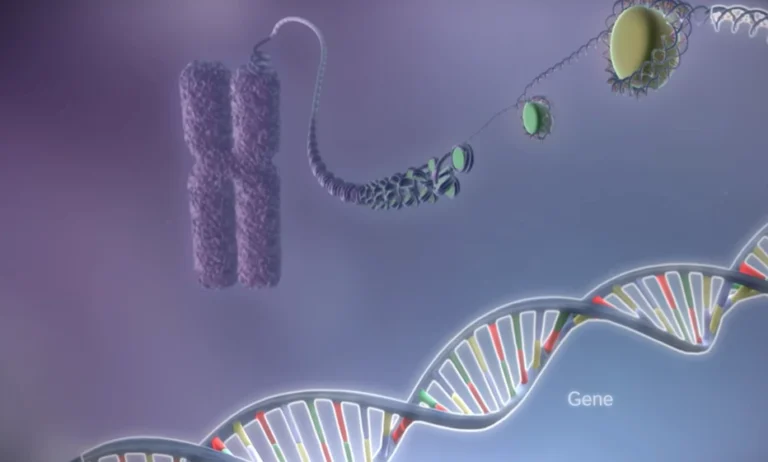

Explore the world of hydrogels, a revolutionary material blending solid and liquid properties.
What if a material could mimic the properties of living tissue, hold vast amounts of water, and help solve some of the planet’s biggest challenges?
Meet hydrogels. These soft, flexible, water-rich materials are quietly shaping the future of medicine, technology, and environmental sustainability.
A hydrogel is, at its core, a molecular net that likes to capture water. It’s an intriguing material that is not quite a solid and not quite a liquid, allowing molecules to interface with it as if it were a liquid.
Composed of crosslinked polymer chains, hydrogels can absorb and retain extraordinary amounts of water—sometimes up to 99% of their weight.
This unique ability to swell in water gives them a blend of softness and strength, allowing them to resemble living tissues more than traditional materials.
The properties of a hydrogel, such as its swelling rate and stiffness, can be precisely adjusted by controlling the ratio of hydrophilic and hydrophobic components, as well as the degree of crosslinking.
A Leap Forward in Healthcare and Biomedicine
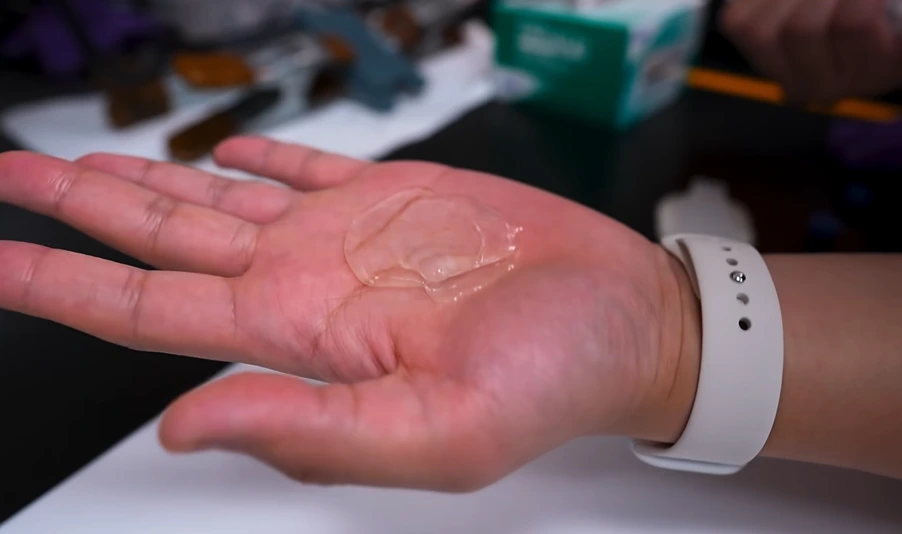
In healthcare, hydrogels are making a significant leap from te lab bench to the human body. Their resemblance to biological tissue, combined with high water content and porous structure, makes them ideal candidates for a wide range of biomedical applications.
- Wound Dressings and Tissue Engineering: In medical dressing, hydrogels can act as a protective barrier over wounds, absorbing fluids and creating a moist environment that speeds up tissue regeneration. They can also prevent secondary injury that could be caused by wound adhesion. Beyond surface applications, hydrogels serve as scaffolds for tissue engineering, providing a three-dimensional network that can support the growth, proliferation, and differentiation of living cells, facilitating the regeneration of damaged tissues.
- Targeted Drug Delivery: Hydrogels are also at the forefront of controlled drug release. Their porous structure allows them to store therapeutic agents and release them gradually over time, which improves treatment efficacy and reduces side effects. Some injectable hydrogels can even be designed to undergo a sol-gel transition, allowing them to fill a specific area before solidifying and providing a uniform distribution of cells or drugs.
- The Rise of Bioelectronics: The high similarity between hydrogels and biological tissues has led to a new field: hydrogel bioelectronics. By incorporating conductive polymers or fillers, scientists are creating materials that can interface seamlessly with the human body. These conductive hydrogels can be used to fabricate flexible electrodes and biosensors for continuous health monitoring, including the non-invasive measurement of physiological markers. Researchers at MIT have even developed an electroadhesive hydrogel that uses a brief electrical charge to adhere to the lining of the gastrointestinal tract for an extended period, which could enable sustained drug administration for GI diseases.
Sustainable Solutions for a Thirsty Planet
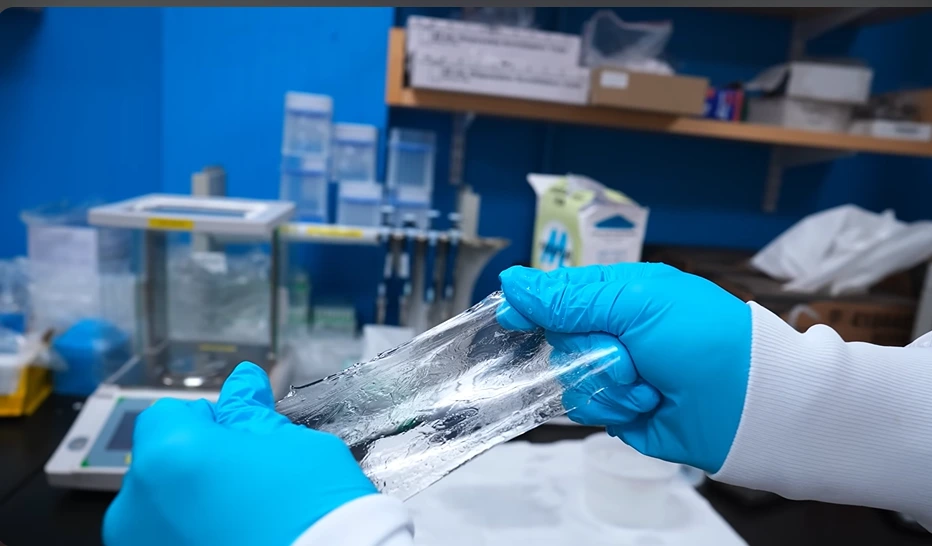
The unique properties of hydrogels are also being leveraged to address global challenges in environmental sustainability, particularly in the areas of water management and agriculture.
- Agricultural Innovation: In farming, hydrogels can act as a reservoir for both water and nutrients. When added to soil, they absorb water and swell, then release it slowly as the soil dries out, providing a consistent supply for plants and reducing the need for frequent irrigation. This technology is a game-changer for water-deprived regions, enhancing crop resilience and improving soil porosity.
- Wastewater Treatment: Stimulus-responsive hydrogels have emerged as versatile tools for wastewater treatment. Their ability to swell or shrink in response to external stimuli like pH or temperature allows them to selectively adsorb and remove pollutants, such as heavy metals and organic dyes.
- Harvesting Water from Air: Perhaps one of the most exciting environmental applications is atmospheric water harvesting. Researchers are developing hydrogels that can be tailored with salts to attract water vapor from the air, even in very arid climates. These materials can absorb moisture at night and then release it during the day with minimal energy input, sometimes using only sunlight to heat the hydrogel and release clean drinking water. This technology holds the potential to provide a sustainable alternative to bottled water and address global water shortages.
The Road Ahead
The exciting thing about hydrogels is the ability to scale these materials. Researchers around the world, including those at institutions like MIT, are working to advance this technology from lab prototypes to manufacturable systems that can be integrated into real-world applications. From self-repairing materials to passive climate-control systems, the future of hydrogels promises to be as flexible and expansive as the materials themselves.
This video is relevant, as it provides a visual explanation of how hydrogels can be used to harvest water from the air, a key application discussed in the article. Follow Europeans24 for more updates!