
NIPAH VIRUS OUTBREAK 2026: India confirms two cases of Nipah in West Bengal, triggering airport screenings across Asia. Learn about the ‘Barasat Cluster’ among nurses
As the final week of January 2026 draws to a close, health authorities across South Asia are on high alert following a confirmed cluster of Nipah Virus (NiV) in West Bengal, India.
The World Health Organization (WHO) confirmed on Friday, January 30, that two healthcare workers—both 25-year-old nurses—contracted the deadly zoonotic virus at a private hospital in Barasat, North 24 Parganas district.
The outbreak has reignited international concern, prompting “Covid-style” temperature screenings at airports in Singapore, Thailand, and Hong Kong, as virologists track a worrying shift in how the virus is moving through the region.
The “Barasat Cluster”: Nosocomial Transmission Confirmed
The current alarm began in late December 2025, when two nurses at the same facility developed rapid-onset fever and neurological distress. By January 13, 2026, the National Institute of Virology (NIV) in Pune officially confirmed the presence of Nipah.
- Current Patient Status: As of today, the male nurse is reportedly recovering in isolation, while the female nurse remains in critical condition with severe encephalitis (brain inflammation).
- Contact Tracing: Indian health officials have successfully traced 196 close contacts. While all have tested negative thus far, the 21-day incubation period has kept the local medical community in a state of hyper-vigilance.
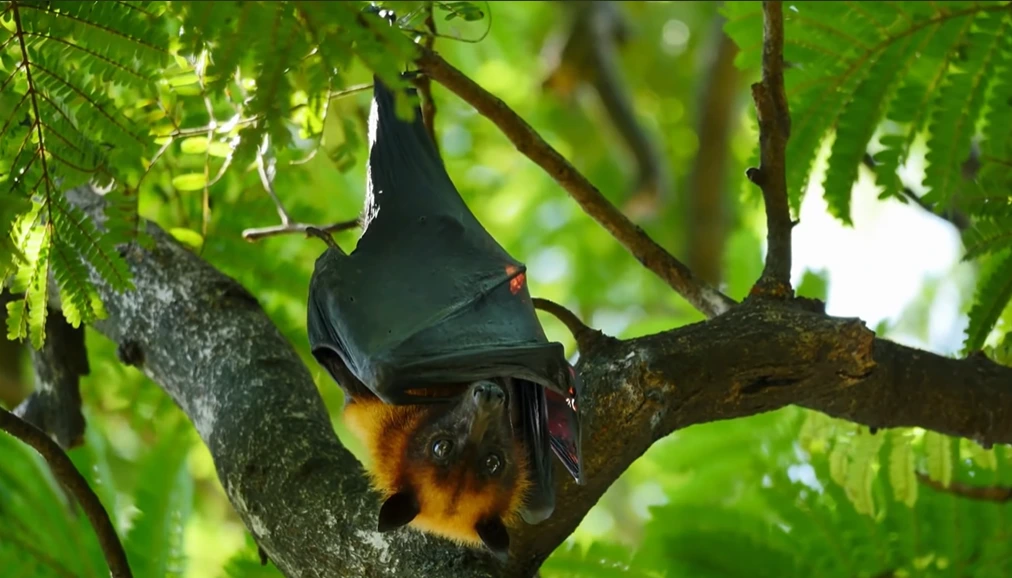
- The Source: While investigations are ongoing, the proximity to the Bangladesh border—a known “hot zone” for Nipah-carrying fruit bats—suggests a possible spillover from contaminated fruit or raw date palm sap.
A Deadly Shift: Year-Round Risk in Bangladesh
While the West Bengal cluster is currently localized, news from neighboring Bangladesh has heightened the sense of urgency. On January 7, 2026, the Institute of Epidemiology, Disease Control and Research (IEDCR) warned that Nipah is no longer a “seasonal” winter threat.
Historically, outbreaks coincided with the winter harvest of date palm sap (December to April). However, Bangladesh reported a first-ever case in the coastal Bhola district early this month, suggesting the virus is expanding into new territories and appearing year-round.
“We are seeing a shift from a predictable seasonal pattern to a potential year-round, multi-route transmission risk,” an IEDCR representative stated. “The 100% fatality rate observed in our 2025 cases underscores the terrifying severity of this pathogen.”
Nipah Virus: The Facts (2026 Snapshot)
Nipah remains one of the most lethal viruses known to man, with no approved vaccine or specific cure. Clinical care is entirely supportive, focusing on managing respiratory and neurological complications.
| Metric | Details |
| Fatality Rate | 40% to 75% (Recent Bangladesh clusters reached 100%) |
| Primary Reservoir | Pteropus Fruit Bats (Flying Foxes) |
| Incubation Period | Typically 4 to 14 days; can stretch to 45 days |
| Symptoms | Fever, headache, vomiting, acute respiratory distress, encephalitis, coma |
| Vaccine Status | Oxford University Phase 2 Trials launched Dec 2025; results pending |
International Response: Airports Tighten Screenings
The news of the West Bengal cases has sent ripples through the Asia-Pacific travel sector. Several nations have reintroduced health measures for travelers arriving from South Asia:
- Singapore & Hong Kong: Reinstated thermal imaging at arrival gates for flights from affected regions.
- Thailand: Launched a public awareness campaign targeting travelers to rural West Bengal and Bangladesh.
- Nepal: Placed border health desks on “high alert,” specifically monitoring for respiratory distress and high fevers among cross-border commuters.
WHO officials have assessed the risk in West Bengal as “moderate” but maintain that the national and global risk remains low, provided that human-to-human transmission remains contained within the current hospital cluster.
Prevention Checklist for Travelers
Public health agencies are urging residents and travelers in South Asia to strictly adhere to the following:
- Avoid Raw Sap: Do not consume raw or fermented date palm sap (toddy/tari).
- Peel and Wash: Thoroughly wash and peel all fruits; discard any fruit with signs of animal bites (bat marks).
- Avoid Bat Roosts: Steer clear of areas where fruit bats are known to congregate.
- Hygiene: Maintain strict hand hygiene, especially after visiting hospitals or caring for individuals with flu-like symptoms.